
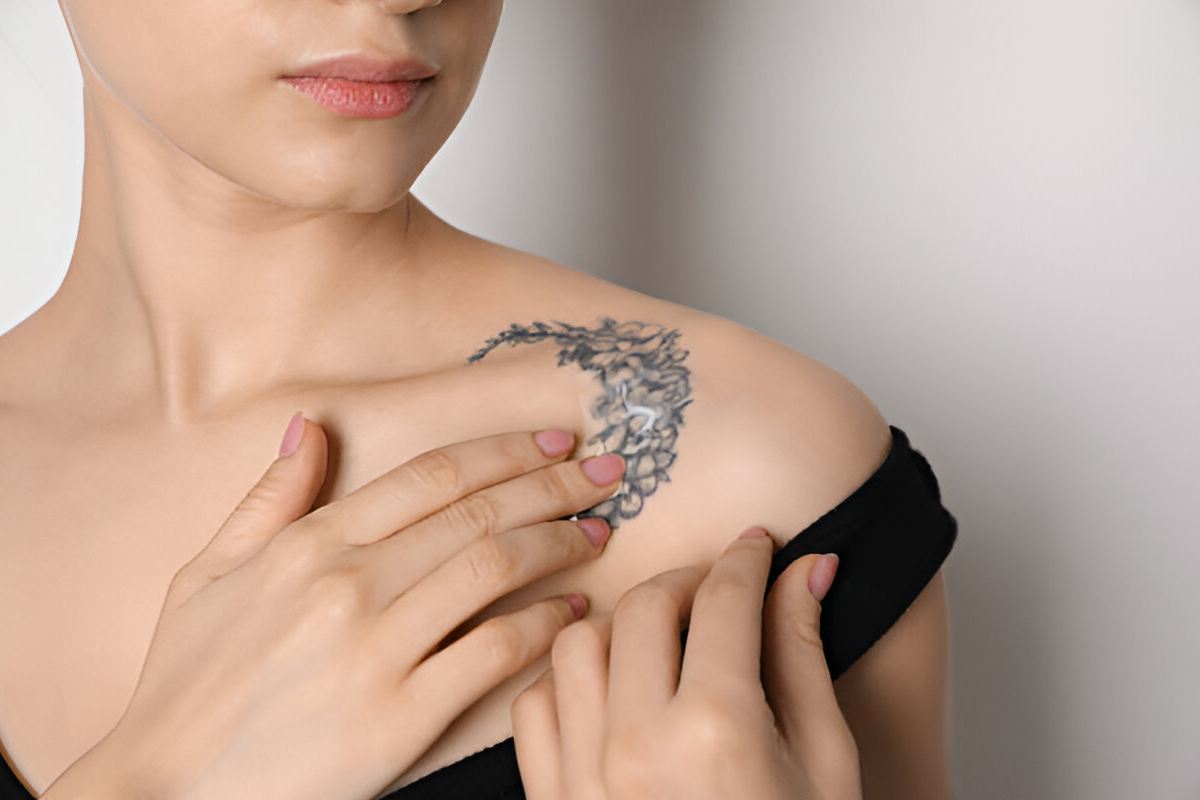
Congratulations on your new tattoo!
Whether it’s your first tattoo or your tenth, taking proper care of fresh ink is essential to help your skin heal and maintain the appearance of your artwork. From the moment you leave the tattoo studio to the final stages of healing, following an appropriate aftercare routine can make a significant difference.
Tattoo aftercare can be divided into three stages: immediate aftercare, ongoing care, and long-term maintenance. Each stage has its own requirements, and understanding them can help you avoid common mistakes.
Before getting inked, you may also wonder whether a tattoo numbing cream is worth considering. Some people use topical numbing products to manage discomfort during a tattoo session. However, always discuss this with your tattoo artist and a healthcare professional before applying anything, as certain products can cause skin reactions or affect the procedure. Numbing cream is not a substitute for proper aftercare.
Table of Contents
Immediate Tattoo Aftercare (Day 1)
The first day after getting a tattoo is particularly important. Your skin has just undergone a procedure that creates a wound, so keeping the area clean and protected is essential.
The immediate aftercare process has two main goals:
- Protect the freshly tattooed skin while it begins healing.
- Reduce the risk of irritation and infection.
Leave the Bandage On
Your tattoo artist will cover your new tattoo with a bandage, plastic wrap, or a specialised protective dressing. This helps protect the area from dirt, friction, and outside contaminants.
Follow your artist’s instructions about when to remove the covering. The recommended time can vary depending on the dressing used and the size and location of your tattoo.
Some specialised adhesive dressings can remain on longer than ordinary plastic wrap. Do not remove or replace a dressing without understanding the instructions provided.
Wash Your Hands
Before touching your new tattoo, wash your hands thoroughly with soap and clean water.
This simple step helps reduce the risk of transferring bacteria to the healing skin. Avoid allowing other people to touch your fresh tattoo unnecessarily.
Gently Cleanse the Tattoo
After removing the dressing as instructed, gently wash the tattoo using lukewarm water and mild, fragrance-free soap.
Use clean hands rather than a rough washcloth or sponge. Avoid scrubbing the area, as this can irritate the skin.
Once cleaned, gently pat the tattoo dry with a clean disposable paper towel or allow it to air-dry. Do not rub it with a towel.
Ongoing Tattoo Aftercare (Days 1–14 and Beyond)
After the initial cleaning, you need to maintain a consistent routine while your tattoo heals. Healing times vary depending on the tattoo’s size, location, and individual skin characteristics.
Apply a Thin Layer of Suitable Moisturizer
After cleaning and drying the tattoo, follow your artist’s recommendations for an appropriate aftercare product.
A thin layer of fragrance-free moisturizer or a suitable tattoo aftercare product can help prevent excessive dryness. Avoid applying thick layers or repeatedly covering the area with unnecessary products.
Do not automatically use antibacterial ointments, numbing creams, or medicated products unless recommended by a healthcare professional.
Keep It Moisturized
As your tattoo continues healing, keep the skin comfortably moisturized using a gentle, fragrance-free product.
Dryness, mild itching, and some peeling can be normal parts of the healing process. However, avoid overapplying moisturizer, as the skin should not remain excessively wet or covered in heavy product.
Avoid Direct Sun Exposure
Protect your new tattoo from direct sunlight while it heals. Freshly tattooed skin is sensitive, and sun exposure can cause additional irritation.
Use loose clothing or a clean covering to protect the area when outdoors. Avoid applying sunscreen directly to an open or healing tattoo. Once the skin has completely healed, use a broad-spectrum sunscreen with SPF 30 or higher to help protect the tattoo from UV-related fading.
Stay Hydrated
Drinking enough water supports your overall health and helps maintain normal skin function.
A balanced diet containing a variety of nutrients can also support the body’s natural healing processes. Although hydration and nutrition are beneficial, they are not substitutes for proper tattoo hygiene and aftercare.
Resist the Itch
Itching can occur as your tattoo heals. You may also notice some peeling or light scabbing.
Although scratching may feel tempting, picking or rubbing the tattoo can damage the healing skin and increase the risk of infection or scarring.
Avoid scratching, peeling, or pulling at the skin. If itching becomes severe or is accompanied by a rash, swelling, or other unusual symptoms, seek medical advice.
Avoid Submerging Your Tattoo in Water
While your tattoo is healing, avoid swimming pools, hot tubs, lakes, oceans, and baths that submerge the tattoo.
Excessive soaking can interfere with healing and increase the risk of infection. Showers are generally fine, but avoid directing strong water pressure onto the fresh tattoo.
Wait until the skin has completely healed before returning to swimming or other activities involving prolonged soaking.
Long-Term Tattoo Aftercare (Weeks to Months)
Looking after your tattoo does not stop once the initial healing period is over. Long-term skin care helps maintain the appearance of your artwork and supports healthy skin.
Wear Sunscreen
UV exposure is one of the factors that can contribute to tattoo fading over time.
Once your tattoo has completely healed, make sunscreen part of your regular skin-care routine. Choose a broad-spectrum, water-resistant sunscreen with SPF 30 or higher and reapply it as directed, especially when spending extended periods outdoors.
The American Academy of Dermatology also recommends protecting tattooed skin from excessive sunlight and avoiding tanning beds. <Cite refs={[“turn844117search0″,”turn844117search1”]}/>
Stay Hydrated and Maintain a Healthy Diet
Healthy skin benefits from consistent hydration and balanced nutrition.
Include a variety of fruits, vegetables, protein sources, and other nutrient-rich foods in your diet. These support general skin health, although no particular food or supplement can guarantee that tattoo ink will remain vibrant.
Keep an Eye on Allergic Reactions and Infection
Some redness, mild swelling, soreness, itching, and peeling can occur during normal healing.
However, pay attention to symptoms that become worse rather than gradually improve. Warning signs may include:
- Spreading or increasing redness.
- Worsening pain or swelling.
- Pus or unusual discharge.
- Red streaks extending from the tattoo.
- Fever or chills.
- A persistent or worsening rash.
Seek medical attention promptly if you notice these symptoms. Allergic reactions to tattoo pigments or aftercare products can also occur, sometimes even after the initial healing period. <Cite refs={[“turn844117search1″,”turn844117search5”]}/>
Touch-Ups and Maintenance
Over time, some tattoos may lose sharpness or appear lighter. This can happen because of sun exposure, natural skin changes, and the characteristics of the original tattoo.
If you notice fading or uneven areas, speak with an experienced tattoo artist about whether a touch-up is appropriate.
Not every tattoo needs periodic touch-ups, so avoid scheduling additional sessions unnecessarily. If you decide to get more work done, discuss pain-management options with your tattoo artist and a healthcare professional beforehand.
What to Avoid During Tattoo Healing
Understanding what not to do is just as important as following the correct aftercare routine.
Avoid Tight Clothing
Tight clothing can rub against a new tattoo, causing irritation and discomfort. Choose clean, loose-fitting garments that do not stick to or press heavily against the healing area.
Your clothing choices can still reflect your personal style during recovery. If you’re looking for wardrobe inspiration, explore these guides on buying short dresses online and the decline of fast fashion in formal wear.
Say No to Picking Scabs
As your tattoo heals, small scabs and peeling skin may develop. Do not pick, scratch, or pull them off.
Allow the skin to shed naturally. Picking at scabs can interfere with healing and may cause scarring or uneven pigment retention.
Skip the Pool, Sauna, and Hot Tub
Avoid public swimming pools, saunas, steam rooms, hot tubs, and other activities involving prolonged soaking or excessive heat until your tattoo has healed.
These environments can expose healing skin to irritation and potential contaminants.
Avoid Excessive Friction and Heavy Exercise
Depending on the tattoo’s location, certain workouts can cause friction, stretching, and excessive sweating around the healing area.
Follow your tattoo artist’s guidance and avoid activities that irritate the tattoo. Return to your regular exercise routine gradually as the skin heals.
Choosing Clothes and Accessories While Your Tattoo Heals
Your wardrobe can make a difference to your comfort during the healing process. Choose clothing that does not rub against the tattoo and is easy to put on and remove.
If your tattoo is on your arm or shoulder, for example, loose sleeves may be more comfortable than tight-fitting garments. For tattoos around the waist or legs, avoid restrictive waistbands and fabrics that create friction.
For more everyday fashion inspiration, explore these guides to diving into men’s fashion with five useful tips and essential fashion items.
If you’re preparing for a major sporting event or themed gathering after your tattoo has healed, you can also find outfit inspiration in these Super Bowl outfit ideas.
Remember that comfort and cleanliness should take priority over styling while your tattoo is healing.
Taking Care of Your Emotional Well-Being
Getting a tattoo can be a personal and meaningful experience. It may represent an important memory, an artistic preference, or an aspect of your identity.
However, the healing process can sometimes bring temporary discomfort, uncertainty, or concerns about the final appearance. Be patient with your skin and give it enough time to recover.
If body-image concerns, anxiety, or other emotional difficulties are affecting your daily life, consider seeking appropriate support. You can also explore this resource on addressing common mental health issues for additional information.
Winding It Up
Getting a tattoo involves more than choosing a design and setting aside a budget. It also requires a commitment to proper aftercare and long-term skin protection.
From keeping the area clean during the first day to moisturizing appropriately, avoiding direct sunlight, and protecting your tattoo after healing, every stage plays an important role.
Remember that every tattoo and individual healing process can be different. Always follow the specific instructions provided by your tattoo artist, and consult a healthcare professional if you notice signs of infection or an unusual skin reaction.
With patience, consistent care, and the right precautions, you can support healthy healing and enjoy your tattoo for years to come.