
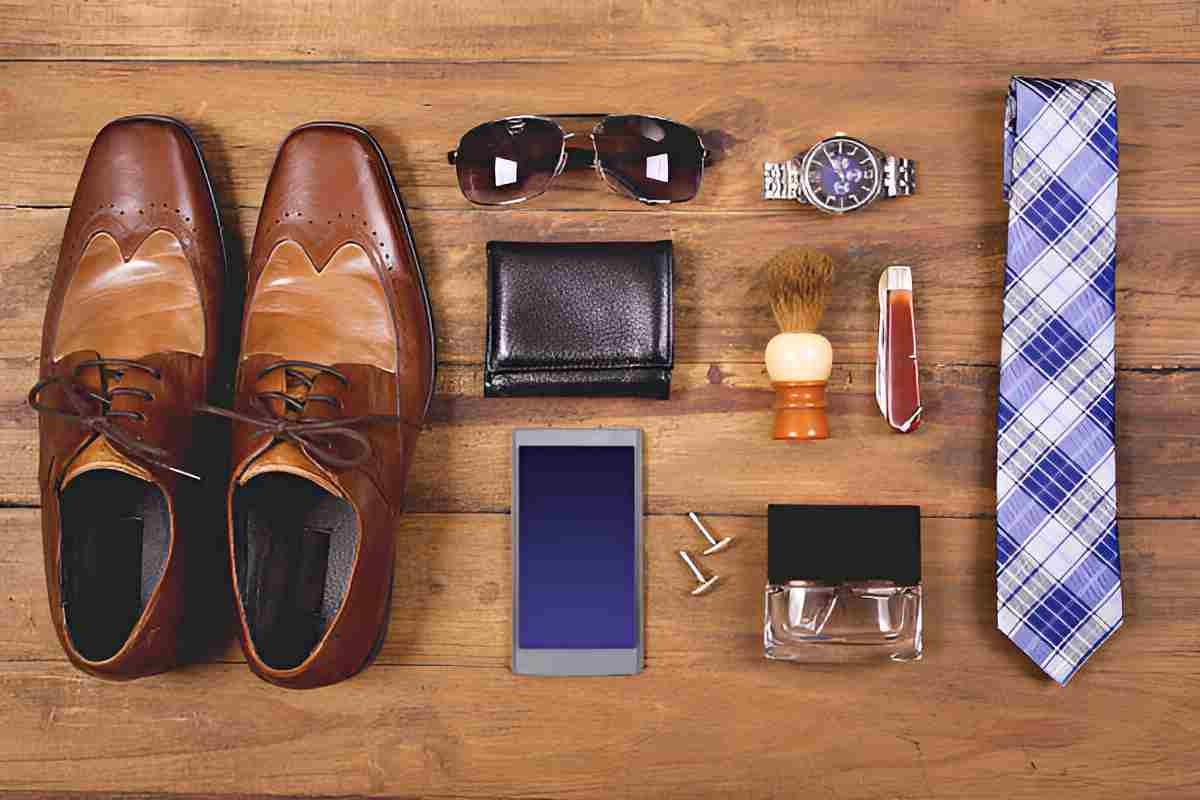
Most people assume that you’re ready for a party or workplace event as long as you can fit into a suit and wear it comfortably. However, wearing a suit involves more than simply buying a random outfit. A well-styled suit requires attention to measurements, fabric, fit, accessories, and personal preferences.
Fortunately, choosing the right suit doesn’t have to be complicated. Whether you’re dressing for a professional meeting, wedding, formal gathering, or special occasion, understanding a few important styling principles can help you achieve a polished appearance.
Here are five essential tips to help you choose and wear a suit that complements your body type, budget, and social setting.
Table of Contents
Understanding the Value of Suits
For men, owning a good suit is an important part of building a versatile wardrobe. Like a carefully constructed machine, a quality suit requires attention to different details to achieve the best result.
Suits are a timeless classic that exudes style, confidence, and personality, which can only be achieved by combining good subtle changes and wearing suits that are made to measure your likeness to pull off a confident look that will never go boring. With that said, here’s our first tip.
Whether you prefer traditional tailoring or contemporary designs, investing time in choosing the right suit can make a noticeable difference.
With that in mind, here are five tips to consider.
Tip #1: Should You Buy a Suit Online or Offline?
Buying suits through online stores and physical retail shops has its own advantages and disadvantages.
Shopping online allows you to browse different designs at your own pace. You can compare prices, explore brands, read customer reviews, and find styles that may not be available in local stores. Online retailers may also offer competitive discounts.
However, sizing can vary between brands, and the actual colour, fabric, or fit may differ from what you see in product photographs.
Alternatively, shopping in physical stores allows you to examine the fabric, check the stitching, and try different sizes. Many stores also have experienced staff who can recommend designs based on your personality, body type, and the occasion.
Ultimately, the choice depends on your preferences and requirements. If you have enough time to research and compare products, online shopping can be convenient. However, if you need a suit quickly or want professional fitting assistance, visiting a physical store is often a better option.
Tip #2: Set a Budget Before Buying
A good suit is an investment and generally costs more than everyday casual clothing. Your final purchase will depend on how much you’re willing to spend on fabric quality, construction, tailoring, and personal details.
To make your decision easier, consider these three main categories.
Off-the-Rack Suits
Off-the-rack suits are ready-made garments displayed in retail stores. They are available in different colours, fabrics, sizes, and designs.
These suits are generally more affordable because they are mass-produced. Some retailers also offer seasonal discounts and promotional deals.
Off-the-rack suits are suitable for people working with a limited budget or those who need a formal outfit without waiting for custom tailoring.
Made-to-Measure Suits
Made-to-measure suits are created using your body measurements and selected design preferences.
Working with a tailor allows you to customise several details, including:
- Jacket length and shoulder fit.
- Sleeve length and cuff design.
- Number and placement of buttons.
- Trouser waist and leg measurements.
- Fabric, lining, and overall styling.
A made-to-measure suit can provide a more personalised fit than a standard ready-made option.
Bespoke Suits
Bespoke suits represent a highly personalised approach to tailoring. They are generally created from scratch according to the customer’s measurements and specifications.
The process may involve multiple fittings, detailed measurements, fabric selection, and individual construction choices.
Bespoke suits are usually more expensive and require additional time to complete. They are ideal for people who value detailed craftsmanship and want a suit designed specifically around their preferences.
Simply put, consider bespoke tailoring an investment in personalised design and workmanship.
Tip #3: Choose the Right Neckwear
Traditionally, suits are paired with ties to bring the entire outfit together. Choosing the right tie colour and pattern can make a significant difference to your overall appearance.
Darker-coloured ties are often a safe choice because they complement many suit colours, particularly navy, charcoal, and black.
Popular options include:
- Burgundy and dark red.
- Navy blue.
- Dark green.
- Deep purple.
- Black.
If you enjoy experimenting with fashion, consider ties featuring dots, stripes, geometric patterns, or subtle textures.
The key is to coordinate your tie with your shirt and suit rather than choosing colours that compete with one another.
For formal occasions, understated patterns and classic colours are usually reliable choices. For less formal events, you can experiment with brighter shades and more distinctive designs.
Tip #4: Add the Right Accessories
Accessories are not essential to completing a suit, but choosing the right ones can elevate your appearance.
The important thing is to avoid wearing too many accessories at once. A simple, coordinated combination often looks more sophisticated than an outfit filled with unnecessary details.
Watches
A classic wristwatch can complement almost any formal outfit.
Leather-strapped watches in black or dark brown work particularly well with traditional suits. Metal straps can also complement navy, charcoal, and darker-coloured outfits.
Choose a watch that matches the overall formality of your clothing.
Belts
Always try to coordinate your belt with your shoes. For example, a black leather belt generally works well with black leather shoes, while a brown belt complements brown footwear.
Pay attention to the belt buckle as well. A simple, understated buckle is usually the better choice for formal occasions.
Pocket Squares and Cufflinks
A pocket square can add a subtle touch of personality to your suit jacket. Choose a colour or pattern that complements your tie without matching it too perfectly.
Cufflinks are another useful accessory, particularly for shirts with French cuffs. They can add a refined finishing touch to formal outfits.
Remember, simplicity is the key to creating a balanced and elegant appearance.
Tip #5: Get a Suitable Haircut and Grooming Routine
Once your suit is ready, the final step is to pay attention to your grooming.
A fresh haircut and neat appearance can help bring the entire outfit together. Choose a hairstyle that complements your face shape and personal preferences.
Keep your hair clean and tidy, and make sure your facial hair is either clean-shaven or appropriately trimmed.
You can also use a suitable styling product to maintain your hairstyle throughout the day. Avoid excessive product application, as a natural and well-groomed appearance is usually more appropriate for formal settings.
Personal style also involves expressing yourself through different choices, including hairstyles, clothing, and body art. If you have a tattoo, proper skin care is important for maintaining its appearance. Explore this guide to tattoo aftercare for useful information on caring for tattooed skin.
Styling Your Suit for Different Occasions
Choosing a suit is only part of creating the right outfit. You should also consider the event, dress code, location, and level of formality.
Here are a few examples:
- Business meetings: Choose navy or charcoal suits with a crisp shirt and understated accessories.
- Weddings: Consider lighter shades, textured fabrics, or elegant three-piece suits depending on the dress code.
- Formal dinners: Dark suits with classic ties and polished leather shoes are reliable options.
- Casual gatherings: You can experiment with lighter fabrics, open-collar shirts, and less structured jackets.
- Sporting events: If the occasion has a relaxed dress code, explore creative outfit combinations inspired by these Super Bowl outfit ideas.
Always check the event’s dress code before choosing your outfit. A well-fitted suit should complement the occasion while allowing you to feel comfortable and confident.
Confidence and Personal Style Matter
A good suit can help you feel prepared and presentable, but your confidence also comes from feeling comfortable with your appearance.
Avoid choosing a design simply because it is popular or expensive. Instead, consider what suits your personality, lifestyle, and preferences.
If you experience persistent concerns about confidence, anxiety, or other emotional difficulties, it may also be helpful to explore resources on addressing common mental health issues.
Fashion should be an enjoyable way to express yourself rather than a source of unnecessary pressure.
Final Thoughts
Suits are an investment and timeless fashion pieces that deserve attention to detail. From choosing the right measurements and fabric to selecting suitable neckwear, accessories, and grooming styles, every element contributes to the final appearance.
Whether you prefer an affordable off-the-rack option, a personalised made-to-measure design, or a premium bespoke suit, the most important thing is finding something that fits comfortably and reflects your personality.
Take your time comparing options, set a realistic budget, and choose accessories that complement rather than overpower your outfit.
With the right combination of fit, quality, and personal style, you can build a sophisticated wardrobe that works for years to come.