
Table of Contents
Introduction
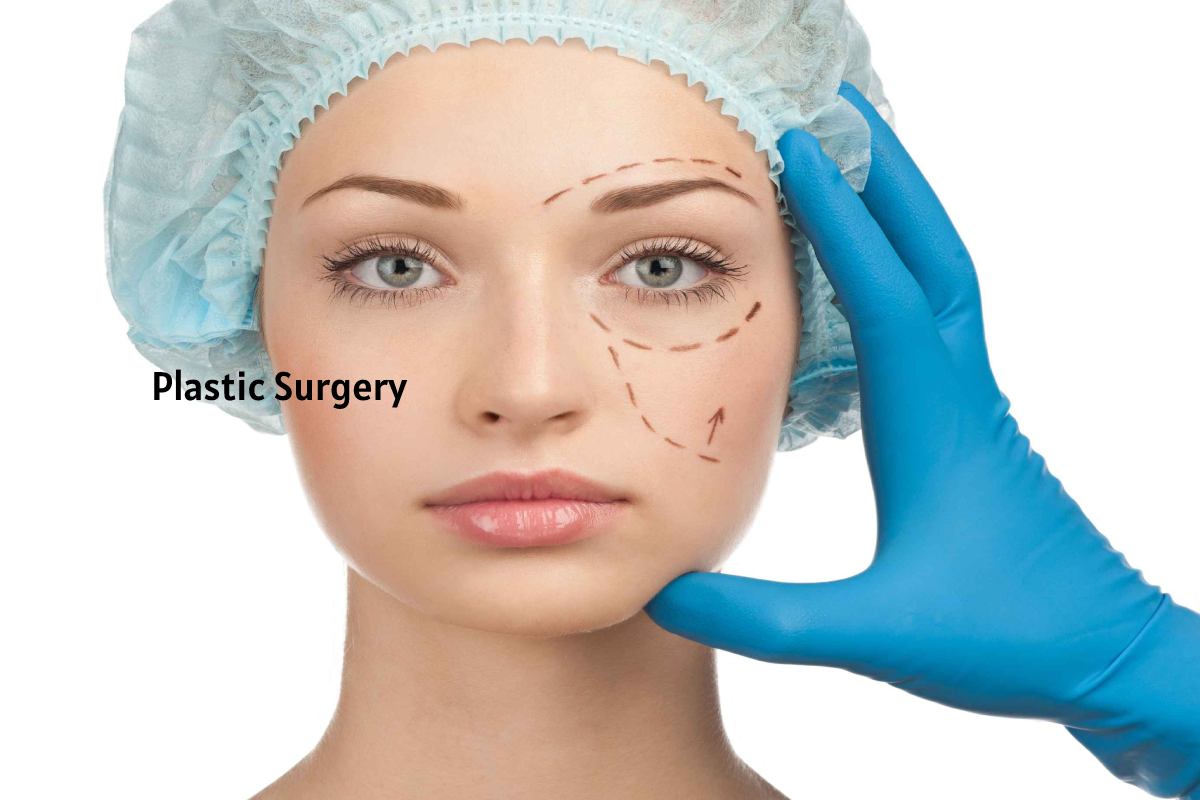
Plastic surgery is a medical specialty that focuses on reconstructing, repairing, or changing different parts of the face and body. People may consider plastic surgery to address congenital conditions, injuries, medical concerns, or personal appearance preferences.
If you are considering a procedure, it is important to understand what it involves, the potential benefits, possible complications, and the recovery process before making a decision.
Plastic surgery can help people address concerns such as facial asymmetry, changes caused by ageing, excess skin, or physical differences present from birth. However, undergoing surgery purely to change your appearance is a personal decision that requires careful consideration.
Cosmetic procedures have become increasingly popular, with options ranging from breast augmentation and eyelid surgery to rhinoplasty, liposuction, and tummy tucks. Each procedure has its own purpose, risks, and recovery requirements.
Before choosing any treatment, consult a qualified plastic surgeon who can explain whether the procedure is suitable for your needs.
Cosmetic Surgery or Plastic Surgery: What Is the Difference?
Although the terms plastic surgery and cosmetic surgery are often used interchangeably, they do not mean exactly the same thing.
What Is Plastic Surgery?
Plastic surgery focuses on repairing, reconstructing, or restoring abnormal or damaged parts of the body. It may be necessary because of:
- Congenital disabilities or birth differences.
- Developmental abnormalities.
- Accidents, burns, and other injuries.
- Infections and diseases.
- Tumours and cancer treatment.
- Physical changes following medical procedures.
Reconstructive surgery aims to restore function and, where possible, improve appearance.
What Is Cosmetic Surgery?
Cosmetic surgery is generally performed to change or enhance a person’s appearance. Unlike reconstructive surgery, it is usually elective and does not necessarily address a medical condition.
Common examples include breast augmentation, rhinoplasty, facelifts, eyelid surgery, and liposuction.
Some people also explore non-surgical cosmetic treatments. For example, Botox treatments and their medical benefits can address certain medical and aesthetic concerns without requiring traditional surgery.
Both reconstructive and cosmetic procedures require appropriate medical assessment and should be performed by suitably qualified professionals.
What Are the Most Common Types of Plastic and Cosmetic Surgery?
There are several surgical procedures available, depending on the individual’s goals and medical requirements.
1. Breast Augmentation
Breast augmentation is a procedure designed to increase breast size or improve breast shape using implants or, in selected cases, fat transfer.
People may consider it to address naturally small breasts, differences in breast size, or changes following pregnancy or weight loss.
2. Eyelid Surgery (Blepharoplasty)
Eyelid surgery involves removing or repositioning excess skin and, where appropriate, fat around the upper or lower eyelids.
It may be performed to improve the appearance of tired-looking eyes. In some cases, upper eyelid surgery can also address excess skin that interferes with vision.
3. Rhinoplasty
Rhinoplasty, commonly known as a nose job, changes the shape or structure of the nose.
It may be performed for cosmetic reasons or to address certain functional problems, such as structural issues affecting breathing.
4. Liposuction
Liposuction is a surgical procedure that removes localised fat deposits using a thin tube called a cannula.
It is commonly performed on areas such as the abdomen, thighs, hips, arms, and chin. It is a body-contouring procedure rather than a weight-loss treatment.
5. Tummy Tuck (Abdominoplasty)
A tummy tuck removes excess skin and fat from the abdominal area. The surgeon may also tighten weakened or separated abdominal muscles when appropriate.
It is often considered by people who have experienced significant weight loss or pregnancy-related changes.
6. Vaginal Rejuvenation Procedures
Certain surgical procedures, including labiaplasty, alter the appearance or structure of external genital tissues.
These procedures have different medical indications and risks. Anyone considering them should discuss realistic outcomes, potential complications, and alternatives with a qualified specialist.
7. Facelift Surgery
A facelift is designed to address visible signs of facial ageing by repositioning underlying tissues and removing or tightening selected areas of excess skin.
It may improve the appearance of sagging cheeks, deeper folds, and loose skin around the jawline and neck.
Can I Benefit From Plastic Surgery?
Plastic or cosmetic surgery may offer benefits depending on the procedure, the individual’s health, and their expectations.
Some people choose reconstructive surgery to improve physical function following an injury or medical condition. Others consider cosmetic surgery because they are unhappy with a particular feature.
Potential benefits may include:
- Improved physical function: Reconstructive procedures may help address certain structural or functional problems.
- Changes in appearance: Cosmetic procedures can alter specific features according to the patient’s goals.
- Improved confidence: Some people report feeling more comfortable with their appearance after surgery.
- Reconstruction after injury or illness: Surgery may help restore appearance and function following burns, accidents, or cancer treatment.
- Better-fitting clothing: Certain body-contouring procedures may change body proportions and how clothes fit.
However, plastic surgery cannot guarantee improved self-esteem or resolve personal, relationship, or emotional difficulties. It is important to have realistic expectations and make the decision for yourself rather than because of pressure from others.
If concerns about appearance are causing significant emotional distress, discussing them with a qualified healthcare or mental health professional may also be helpful.
Is Plastic Surgery Safe?
Plastic surgery is not completely risk-free. Like other surgical procedures, it can involve complications, and the level of risk depends on the type of surgery, the patient’s health, the anaesthesia used, and the surgeon’s experience.
Possible risks include:
- Infection.
- Bleeding and blood clots.
- Scarring.
- Swelling and bruising.
- Reactions to anaesthesia.
- Changes in skin sensation.
- Delayed wound healing.
- Unsatisfactory cosmetic results.
- The possibility of additional corrective surgery.
Some complications can be serious. For example, blood clots and anaesthesia-related complications may require urgent medical attention.
After surgery, bruising and swelling are common. Recovery can take several weeks or months, depending on the procedure.
Your surgeon should explain the expected recovery period, provide aftercare instructions, and arrange follow-up appointments to monitor healing.
Choosing a Qualified Plastic Surgeon
Choosing the right surgeon is one of the most important decisions when considering plastic surgery.
Before proceeding, check that:
- The surgeon has recognised specialist qualifications and appropriate registration.
- The surgeon has experience performing the specific procedure.
- The operation will take place in an appropriately equipped medical facility.
- You understand the potential complications and recovery requirements.
- You have received clear information about costs, follow-up care, and possible revision surgery.
Do not assume that everyone offering cosmetic surgery has specialist plastic surgery training. Verify qualifications and professional credentials independently.
Is Plastic Surgery Painful?
The level of discomfort depends on the type of procedure, the treatment area, and the individual’s pain tolerance.
Many surgical procedures are performed under general anaesthesia, meaning the patient is unconscious during the operation. Some smaller procedures may use local anaesthesia or sedation.
After surgery, patients may experience:
- Tenderness around the treated area.
- Swelling and bruising.
- Tightness or pressure.
- Temporary changes in sensation.
- Discomfort while moving or performing everyday activities.
A surgeon may prescribe suitable pain medication to help manage post-operative discomfort.
For example, recovery after rhinoplasty may involve nasal congestion and pressure, while breast or abdominal surgery can cause discomfort during movement.
Follow your surgeon’s instructions about medication, physical activity, wound care, and returning to normal routines. Do not take prescription pain medication without appropriate medical guidance.
Surgical and Non-Surgical Cosmetic Treatments
Not every appearance-related concern requires surgery. Depending on the condition, non-surgical treatments may offer an alternative with different recovery requirements and risks.
Botox Treatments
Botox is commonly used to temporarily reduce the appearance of certain facial wrinkles. It also has established medical applications, including treating certain types of excessive sweating and muscle-related conditions.
For more information, read our guide on controlling facial redness and the role of Botox in managing excessive blushing.
Dermal Fillers and Lip Fillers
Dermal fillers are injectable treatments used to restore volume, soften certain facial lines, and enhance selected facial features.
Lip fillers are a specific type of dermal filler designed to add volume or improve lip shape.
If you are comparing these treatments, explore our guide to filler injections or lip fillers.
Other Non-Surgical Options
Depending on the concern, other treatments may include laser procedures, chemical peels, skin-rejuvenation treatments, and certain energy-based technologies.
However, non-surgical does not automatically mean risk-free. Each treatment should be selected following an appropriate consultation with a qualified professional.
How Long Does Recovery From Plastic Surgery Take?
Recovery varies significantly depending on the procedure and the patient’s overall health.
Some minor procedures may require only a few days of reduced activity, while more extensive operations can require several weeks or months before full recovery.
General recovery considerations include:
- Following wound-care instructions.
- Taking prescribed medication as directed.
- Avoiding strenuous exercise until cleared by the surgeon.
- Attending follow-up appointments.
- Keeping the surgical area clean and protected.
- Contacting your healthcare professional if you notice unusual pain, fever, increasing redness, discharge, or excessive swelling.
Always follow the recovery plan provided by your surgeon rather than comparing your progress with someone else’s experience.
Questions to Ask Before Plastic Surgery
Before deciding to undergo a procedure, prepare questions for your consultation.
Consider asking:
- Am I a suitable candidate for this procedure?
- What results can I realistically expect?
- What are the possible complications?
- What type of anaesthesia will be used?
- How long will recovery take?
- Will I need additional procedures or follow-up treatment?
- What are the total costs, including aftercare?
- What alternatives are available?
A responsible surgeon should answer these questions clearly and give you enough time to make an informed decision.
Conclusion
Plastic surgery includes a wide range of reconstructive and cosmetic procedures that can address physical differences, injuries, functional problems, and appearance-related concerns.
While surgery may offer meaningful benefits, it also carries risks that should never be overlooked. Understanding the differences between cosmetic and reconstructive surgery, researching your options, and choosing a qualified surgeon are essential steps before proceeding.
Whether you are considering breast augmentation, rhinoplasty, liposuction, a facelift, or a non-surgical cosmetic treatment, make your decision based on accurate medical information and realistic expectations.
Ultimately, the best approach is one that prioritises your health, safety, and personal well-being.