
Table of Contents
Introduction
laser hair removal Laser hair removal is a popular cosmetic procedure used to reduce unwanted hair on different parts of the body. It offers a longer-lasting alternative to traditional hair-removal methods such as shaving, waxing, and threading.
Although laser hair removal is generally considered safe when performed by a qualified and experienced professional, it can cause temporary side effects. In some cases, more serious complications may occur, particularly when unsuitable equipment or incorrect treatment settings are used.
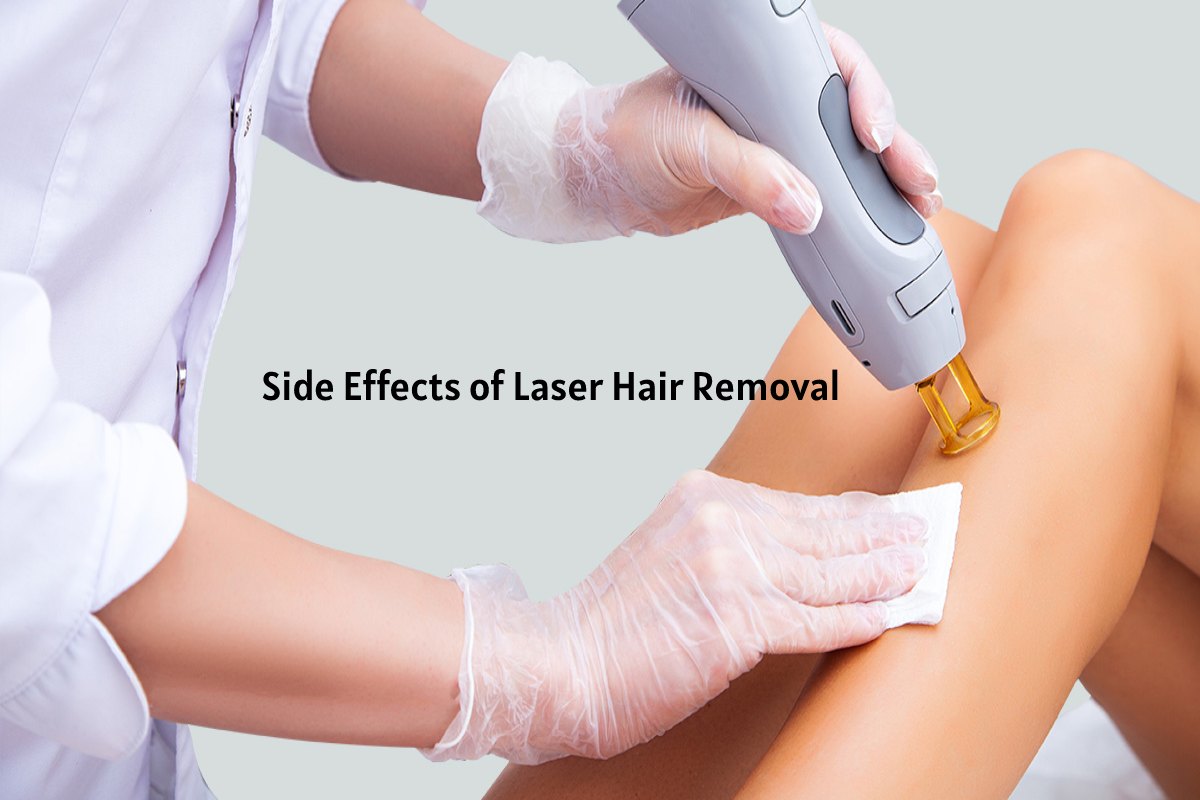
The procedure works by directing concentrated light energy towards the pigment in hair follicles. The energy is absorbed and converted into heat, which damages the follicles and reduces their ability to produce hair.
Laser hair removal is suitable for many people, but its effectiveness and safety depend on factors such as skin tone, hair colour, treatment area, equipment, and individual skin sensitivity.
In this article, we explore the common and less common side effects of laser hair removal, its safety during pregnancy, and whether it can cause cancer or infertility.
Minor Side Effects of Laser Hair Removal
Laser hair removal uses controlled heat to target hair follicles. As a result, some temporary skin reactions are common immediately after treatment.
Most mild reactions improve within a few hours or days.
1. Skin Redness and Irritation
Redness and irritation are among the most common side effects of laser hair removal.
After treatment, the affected area may experience:
- Mild redness.
- Slight swelling around hair follicles.
- Temporary itching or sensitivity.
- A warm or sunburn-like sensation.
These reactions are generally temporary and often resemble the irritation that can occur after waxing.
Applying a cool compress may help relieve discomfort. Avoid rubbing or scratching the treated area.
If redness, pain, or swelling becomes severe or continues to worsen, contact your treatment provider or a healthcare professional.
2. Changes in Skin Pigmentation
Laser hair removal may temporarily affect skin pigmentation.
Some people experience darker patches, known as hyperpigmentation, while others develop lighter patches, known as hypopigmentation.
These changes may be more likely when treatment settings are unsuitable for the individual’s skin tone or when the skin has recently been exposed to sunlight.
Pigmentation changes are often temporary, but they can sometimes last longer or become permanent.
Choosing an experienced professional who understands how to treat different skin tones can help reduce this risk.
Severe and Less Common Side Effects of Laser Hair Removal
Although serious complications are less common, they can occur, particularly when the procedure is performed incorrectly or by an inexperienced operator.
Possible complications include:
1. Burns and Blisters
Laser treatment produces heat, and excessive energy or unsuitable settings can damage the surrounding skin.
This may result in:
- Burns.
- Blisters.
- Crusting.
- Significant pain.
- Changes in skin colour.
The risk may increase when the skin is recently tanned or when the equipment is not appropriate for the person’s skin type.
Seek medical advice if you develop blisters, severe pain, or signs of a skin burn.
2. Scarring
Scarring is an uncommon complication of laser hair removal.
It may occur when excessive heat damages the skin or when a burn becomes complicated by infection or improper healing.
People who are prone to abnormal scarring should discuss their medical history with the treatment provider before undergoing the procedure.
3. Changes in Skin Texture
Some people may experience temporary roughness, irritation, or changes in skin texture after treatment.
More significant skin damage can occasionally lead to longer-lasting changes.
Following professional aftercare instructions and avoiding unnecessary irritation can help support recovery.
4. Increased Hair Growth in the Treated Area
In rare cases, laser hair removal may cause paradoxical hypertrichosis, a condition in which hair growth becomes thicker or more noticeable in or around the treated area.
This is different from normal hair regrowth after treatment.
It may be associated with factors such as treatment characteristics, hormonal influences, and individual differences.
Discuss unexpected hair growth with a dermatologist or qualified laser specialist.
5. Eye Injuries
Laser equipment can cause serious eye injuries if appropriate protection is not used.
This is particularly important when treating areas near the face.
Both the client and treatment provider should use suitable protective eyewear during the procedure. Laser hair removal should never be performed directly on the eyelids or eyebrows in ways that expose the eyes to laser energy.
6. Infection and Skin Irritation
Although uncommon, damaged or blistered skin may become infected.
Signs that require medical attention include increasing pain, spreading redness, pus, swelling, or fever.
Avoid picking at scabs or blisters, and follow the aftercare instructions provided by your practitioner.
Can Laser Hair Removal Be Performed During Pregnancy?
Laser hair removal is generally not recommended as an elective cosmetic procedure during pregnancy because there is insufficient high-quality research establishing its safety for pregnant women and developing babies.
Hormonal changes during pregnancy may also cause changes in hair growth and skin sensitivity.
Some women notice increased hair growth on areas such as the abdomen, breasts, and face. In many cases, this growth reduces naturally after childbirth as hormone levels change.
For this reason, postponing laser hair removal until after pregnancy is generally the more cautious approach.
If you are pregnant or breastfeeding, discuss cosmetic procedures with your healthcare professional before making a decision.
Does Laser Hair Removal Cause Cancer?
The belief that laser hair removal causes cancer is not supported by current scientific evidence.
Laser hair-removal devices use non-ionising radiation, which is different from the ionising radiation associated with certain forms of cancer risk.
The treatment is designed to target pigment in hair follicles rather than expose the body to the type of radiation used in X-rays or some other medical procedures.
There is no established evidence that properly performed laser hair removal causes skin cancer.
However, this does not mean every laser procedure is risk-free. Burns, pigmentation changes, and other skin complications remain possible.
People with suspicious skin lesions or a history of skin cancer should discuss treatment suitability with a dermatologist before proceeding.
Does Laser Hair Removal Cause Infertility?
There is no established evidence that properly performed laser hair removal causes infertility.
Laser hair-removal energy is designed to act on pigment in hair follicles within the skin. It does not normally penetrate deeply enough to reach reproductive organs.
However, laser hair removal has not been extensively studied during pregnancy, which is why elective treatment is generally postponed during this period.
If you have concerns about reproductive health or are planning pregnancy, speak with a qualified healthcare professional.
How to Reduce the Risk of Laser Hair Removal Side Effects
Choosing an appropriate treatment provider and following safety instructions can help reduce the likelihood of complications.
Consider these precautions before and after your appointment.
Before Treatment
- Choose a qualified professional with appropriate training and experience.
- Discuss your skin type, hair colour, medical history, and medications.
- Inform the provider if you have a history of scarring or skin conditions.
- Avoid tanning and excessive sun exposure before treatment.
- Follow instructions about shaving the treatment area.
- Ask whether a patch test is appropriate for your skin.
After Treatment
- Avoid direct sunlight on the treated area.
- Apply suitable sun protection when the area is exposed.
- Use gentle skincare products.
- Avoid scratching or rubbing the treated skin.
- Follow the provider’s instructions about hot showers, exercise, and other activities.
- Do not pick at blisters or crusting.
- Contact a healthcare professional if you develop severe or unusual symptoms.
Who Should Be Careful Before Getting Laser Hair Removal?
Laser hair removal may not be suitable for everyone or every treatment area.
Additional assessment may be necessary for people who:
- Have recently tanned skin.
- Have active skin infections or inflammation.
- Take medications that increase sensitivity to light.
- Have a history of abnormal scarring.
- Have certain skin conditions.
- Have tattoos or suspicious lesions in the treatment area.
People with darker skin tones can often receive laser hair removal, but selecting appropriate equipment and settings is particularly important to reduce the risk of burns and pigmentation changes.
Hair colour also matters. Laser hair removal generally works best on darker hair because the treatment targets pigment. White, grey, very blonde, and some red hair may respond poorly.
A qualified professional can assess whether the treatment is appropriate.
Alternatives to Laser Hair Removal
If laser hair removal is not suitable for you, other methods may help manage unwanted hair.
1. Shaving
Shaving is a simple and widely available hair-removal method. It cuts hair at the skin’s surface but does not remove the follicle.
Its effects are temporary, and frequent shaving may sometimes cause irritation or ingrown hairs.
2. Waxing
Waxing removes hair from the root, so results generally last longer than shaving.
However, it can cause temporary redness, discomfort, and irritation.
3. Sugaring
Sugaring uses a paste generally made from sugar, water, and lemon juice to remove unwanted hair.
It is another option for people who prefer a non-laser hair-removal method.
Learn more in our guide to sugaring for hair removal and what you should know about the procedure.
Additional Hair and Beauty Care Resources
Hair removal is only one part of personal grooming. Maintaining healthy-looking hair also involves suitable moisturising and conditioning practices.
If you have curly or textured hair, explore our guide on how to moisturise curly hair for tips on managing dryness and improving hair softness.
You can also read our article about vitamin E for hair to learn about its potential conditioning benefits, natural food sources, and possible side effects.
Conclusion
Laser hair removal is generally considered safe and effective for many people when performed by a qualified professional using appropriate equipment and treatment settings.
Temporary redness, swelling, and skin irritation are among the most common side effects. Less common complications include burns, blisters, pigmentation changes, scarring, and unexpected hair growth.
There is no established evidence that properly performed laser hair removal causes cancer or infertility. However, because research on its safety during pregnancy is limited, elective treatment is generally postponed until after childbirth.
Before choosing laser hair removal, discuss your skin type, medical history, and treatment expectations with a qualified professional. Following appropriate preparation and aftercare instructions can help reduce risks and improve your overall experience.