
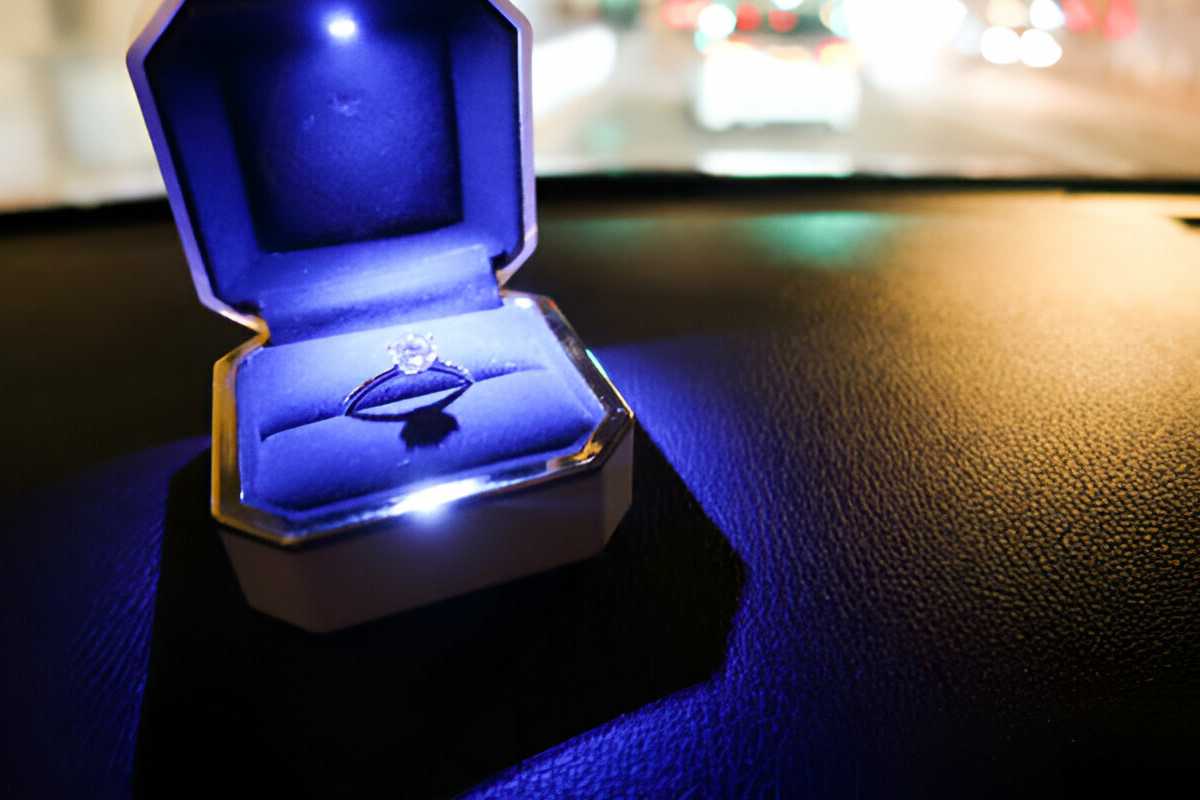
There has been a notable shift in consumer preferences when shopping for jewellery in recent years, with an increasing number of couples considering lab-grown diamond engagement rings over traditional mined diamonds.
Lab-grown diamonds have gained popularity because they offer an alternative to natural diamonds at generally lower prices. Their production methods, pricing, and environmental considerations have also attracted attention from couples who want their jewellery purchases to reflect their personal values.
This trend is particularly relevant among eco-conscious couples who are mindful of the environmental and ethical implications associated with traditional diamond mining. From sourcing and traceability to affordability and customisation, there are several reasons why lab-grown diamonds have become an appealing engagement ring option.
Let’s explore the potential benefits of choosing lab-grown diamonds.
Table of Contents
1. Ethical Sourcing
Lab-grown diamonds offer an alternative for couples concerned about the ethical challenges sometimes associated with traditional diamond mining.
Unlike mined diamonds, which are extracted from natural deposits, lab-grown diamonds are produced in controlled environments using specialised technological processes.
This difference in production can provide greater clarity about how a diamond is created. Buyers can also ask retailers for information about manufacturing practices, suppliers, and relevant documentation.
However, lab-grown diamonds are not automatically guaranteed to be completely ethical. Their production still involves workers, equipment, and supply chains. Couples should consider the manufacturer’s transparency and business practices when making a purchase.
For people who want to understand different diamond sourcing options, comparing diamond earrings and mined diamonds can provide additional insight into the differences between diamond jewellery choices.
2. Reduced Environmental Impact
The environmental impact of diamond mining can be significant, particularly when extraction activities involve land disturbance, habitat disruption, and changes to local ecosystems.
Lab-grown diamonds avoid the need for traditional diamond extraction because they are created through specialised manufacturing processes.
However, their environmental footprint depends on several factors, including the technology used, electricity sources, manufacturing efficiency, and production location.
Some production facilities rely on energy-intensive processes, so it is important not to assume that every lab-grown diamond automatically has a smaller environmental footprint than every mined diamond.
Eco-conscious couples can ask retailers about energy sources, manufacturing practices, and available sustainability information before purchasing.
You can also learn more about lab-grown diamonds by consulting a reputable custom jeweller. Specialists in this area can explain the differences between natural and laboratory-grown diamonds and help customers understand the available options.
3. Transparency and Traceability
Transparency in the jewellery supply chain is important for consumers who want to understand the origin of their purchases.
Lab-grown diamonds have a distinct production origin because they are manufactured rather than extracted from the earth. This can make it easier for customers to understand their production method.
Buyers should still check product descriptions and grading documentation to confirm whether a diamond is laboratory-grown and understand its characteristics.
This information helps couples make purchasing decisions that align with their preferences and expectations.
A transparent retailer should be willing to explain the diamond’s origin, grading details, available certification, and relevant product information.
4. Cost-Effectiveness
One of the biggest attractions of lab-grown diamonds is their affordability.
Natural diamonds can carry higher prices because of factors such as mining, distribution, supply, rarity, and market demand. Lab-grown diamonds are generally less expensive than natural diamonds with comparable characteristics.
This price difference allows couples to explore larger stones, different settings, or more elaborate engagement ring designs without necessarily increasing their budgets.
However, buyers should remember that lab-grown diamonds and natural diamonds can have different resale values and long-term market dynamics.
The best approach is to choose a ring based on personal preferences, financial comfort, and the meaning behind the purchase rather than assuming that a more expensive diamond is always better.
5. Customisation and Innovation
Technological advancements in lab-grown diamond production have expanded the options available to jewellery designers and customers.
Couples can explore different diamond shapes, sizes, and colours when selecting their engagement rings. These choices make it possible to create designs that reflect individual personalities and preferences.
Popular diamond shapes include:
- Round brilliant: A classic shape known for its sparkle.
- Oval: An elegant option that creates an elongated appearance.
- Princess: A square-shaped design with a contemporary look.
- Emerald: A rectangular shape recognised for its step-cut appearance.
- Pear: A distinctive combination of rounded and pointed ends.
- Cushion: A square or rectangular shape with softened corners.
Customisation also extends to the ring setting and metal. Couples can consider different designs in gold, platinum, and other suitable materials.
Exploring different top diamond engagement ring styles can help couples find inspiration before choosing their preferred design.
6. Social Responsibility
Selecting a lab-grown diamond engagement ring can reflect a couple’s interest in responsible purchasing decisions.
For consumers concerned about the environmental and social implications of traditional mining, laboratory-grown alternatives provide another option to consider.
Choosing a lab-grown diamond does not automatically solve every sustainability challenge associated with jewellery production. Manufacturing facilities, energy consumption, worker conditions, packaging, and transportation all remain important considerations.
Nevertheless, researching these factors can help consumers make choices that better reflect their values.
As more couples explore alternative diamond options, their preferences may encourage retailers and manufacturers to provide clearer information about sourcing, production, and environmental practices.
7. Get Professional Guidance Before Purchasing
Choosing an engagement ring involves more than deciding between natural and lab-grown diamonds. Buyers also need to understand diamond grading, ring settings, certification, pricing, and maintenance.
A professional jewellery consultation can make the process easier, especially for first-time diamond buyers.
Jewellery specialists can help customers compare different diamond characteristics, explore suitable designs, and understand which options fit their budgets.
For additional guidance, read Rare Carat and the Joys of In-Depth Jewellery Consultations.
A consultation can also help couples ask important questions about diamond origin, grading documentation, warranties, resizing, and after-sales services before completing their purchase.
Conclusion
Lab-grown diamond engagement rings have become an appealing option for couples who want beautiful jewellery at a more accessible price. Their controlled production methods, customisation possibilities, and generally lower prices make them worth considering alongside traditional mined diamonds.
For eco-conscious couples, lab-grown diamonds can offer an alternative that avoids conventional mining. However, environmental impact and ethical responsibility still depend on manufacturing practices, energy sources, and supply-chain transparency.
Before purchasing an engagement ring, compare diamond characteristics, review available certification, understand the retailer’s policies, and consider your budget.
Ultimately, the ideal engagement ring is one that reflects your relationship, personal style, and values while providing a purchase you can feel confident about.