
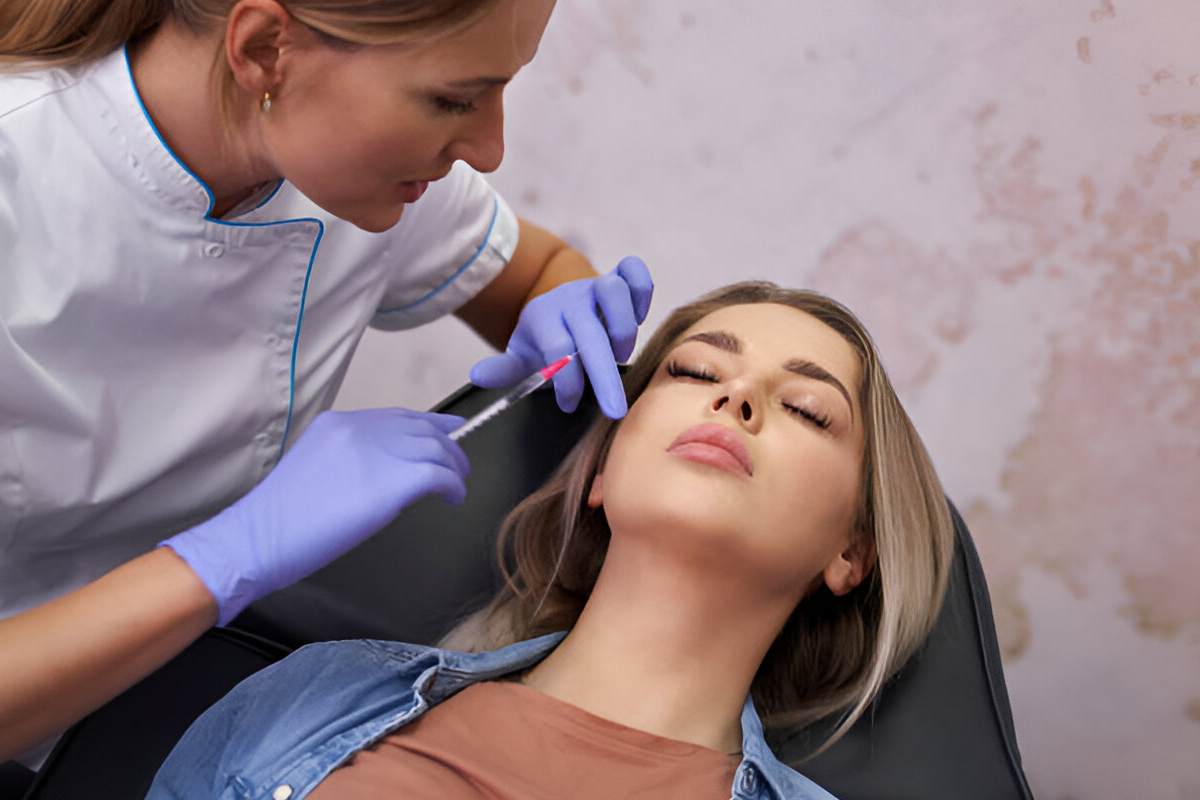
Many women who desire enhanced facial contours turn to Botox as a non-surgical solution. A slimmer face with a well-defined jawline is often associated with a youthful and balanced appearance.
If you have the same goal and want to improve your jawline, keep reading. In this article, we’ll explore how Botox for the jaw can enhance your facial shape, how the treatment works, its benefits, and why you might consider it.
Table of Contents
How Does Jaw Botox Work?
Jaw Botox, also known as masseter Botox, is a cosmetic treatment in which botulinum toxin is injected into the masseter muscles located on either side of the jaw. These muscles are responsible for chewing, clenching, and grinding.
When the masseter muscles become enlarged or overdeveloped, they can contribute to a wider or more square-shaped jawline.
Jaw Botox works by temporarily relaxing these muscles, reducing their activity and, over time, potentially decreasing their size. This can create a slimmer-looking lower face.
Let’s explore some of the main benefits.
Enhanced Jawline
One of the primary reasons women opt for jaw Botox is to achieve a more refined jawline.
By reducing the activity of the masseter muscles, the lower face may gradually appear slimmer and more contoured. Depending on individual facial anatomy, the treatment can create a softer, more V-shaped appearance.
Results vary from person to person, and the treatment is most effective when a wide jawline is caused by enlarged masseter muscles rather than excess facial fat or bone structure.
Treating Jaw Clenching and Teeth Grinding
Chronic jaw clenching and teeth grinding, also known as bruxism, can cause the masseter muscles to enlarge over time.
Jaw Botox may help manage these conditions by temporarily relaxing the muscles and reducing excessive contractions. This can help relieve certain symptoms, including jaw tension and discomfort.
It may also reduce the force associated with teeth grinding, although it does not replace dental treatment or a professionally recommended night guard.
Common Reasons for Considering Jaw Botox
1. Pain Relief
Jaw pain, headaches, and facial tension can sometimes be associated with overactive masseter muscles and bruxism.
Injecting Botox into targeted muscles may reduce excessive muscle activity and help alleviate certain types of discomfort.
However, not all jaw pain is caused by muscle overactivity. A proper assessment is important to identify the underlying cause before considering treatment.
2. Improved Facial Aesthetics
A more refined jawline can contribute to improved facial proportions and symmetry.
Many individuals choose jaw Botox to achieve a slimmer-looking lower face and a softer facial profile. These changes may also improve self-confidence and satisfaction with their appearance.
For those interested in other facial enhancement options, effortless elegance with dermal fillers explores how fillers can help restore facial volume and enhance selected facial features.
3. Non-Surgical Facial Enhancement
Unlike jaw reduction surgery, jaw Botox is a minimally invasive procedure that does not require incisions or general anaesthesia.
It offers an alternative for people who want to address an enlarged masseter muscle without undergoing surgery.
However, Botox and surgical jaw reduction are different procedures, and their results are not interchangeable.
If you’re comparing different cosmetic approaches, understanding the cost of facelift surgery in Beverly Hills, CA can provide additional insight into surgical facial enhancement options.
4. Minimal Downtime
Jaw Botox is generally a quick procedure that usually takes around 10–20 minutes, depending on the treatment plan.
Most individuals can return to their normal daily activities shortly after treatment.
Some temporary side effects, such as swelling, tenderness, or bruising at the injection sites, may occur. Following your practitioner’s aftercare instructions can help support recovery.
5. Results That Last for Several Months
Although jaw Botox results are not permanent, they can last for several months.
Initial effects may become noticeable within a few days, while visible changes in masseter muscle size and facial contour generally take several weeks to develop.
Some individuals may require maintenance treatments, but the timing should be determined by their practitioner rather than following a fixed schedule.
Botox for the Jaw: Understanding the Procedure
If you’re considering jaw Botox, understanding what happens during the procedure can help you feel more comfortable and prepared.
1. Consultation
The first step is to consult a qualified medical practitioner and discuss your aesthetic goals and concerns.
Your practitioner will assess your facial structure, masseter muscle size, medical history, and suitability for treatment.
They will also explain the expected results, possible risks, and alternative treatment options.
2. Treatment Planning
Once you decide to proceed, a personalised treatment plan is developed.
This plan includes the specific injection points, appropriate Botox dosage, and expected results based on your individual needs.
The practitioner will also determine whether your wider jawline is primarily caused by enlarged muscles or other factors, such as facial fat or bone structure.
3. Injection
On the day of the procedure, the practitioner will clean the treatment area and identify the appropriate injection points.
Botox is then injected into the masseter muscles using a fine needle. The number of injections and the amount administered depend on your muscle size and treatment requirements.
The procedure is generally well tolerated and does not usually require significant downtime.
4. Post-Treatment Care
After the injections, your practitioner will provide instructions to help you recover comfortably.
These may include:
- Avoiding strenuous physical activity for the period recommended by your practitioner.
- Avoiding rubbing or massaging the treated area immediately after treatment.
- Following any specific instructions regarding skincare and facial treatments.
- Contacting your practitioner if you experience unusual or persistent symptoms.
Always follow your practitioner’s individual advice rather than relying on general aftercare recommendations.
Aftercare and Recovery
Following your jaw Botox treatment, there are several important considerations to keep in mind.
Swelling and Bruising
Mild swelling, tenderness, and bruising around the injection sites can occur. These effects are generally temporary and usually improve within a few days.
When Will You See Results?
You may begin noticing the effects of jaw Botox within a few days. However, visible changes in jawline shape generally take around two to four weeks or longer as the masseter muscles gradually become less prominent.
The final outcome depends on your muscle size, dosage, and individual response.
Maintenance Treatments
To maintain the results, some individuals choose follow-up treatments.
The duration between sessions varies depending on the person’s response, treatment goals, and practitioner recommendations. Repeated injections should be carefully assessed to avoid unnecessary treatment or excessive weakening of the muscles.
Possible Side Effects
Although jaw Botox is generally well tolerated when administered by an appropriately qualified professional, side effects can occur.
These may include:
- Mild swelling or bruising.
- Temporary weakness while chewing.
- Facial asymmetry.
- Changes in smiling or facial expressions.
- Discomfort around the injection area.
Rarely, more serious complications can occur. Seek medical attention if you experience difficulty swallowing, speaking, or breathing.
Are You a Suitable Candidate for Jaw Botox?
Jaw Botox may be suitable for adults who want to reduce the appearance of an enlarged masseter muscle or manage certain symptoms associated with excessive jaw muscle activity.
However, not everyone is an ideal candidate.
Here are some important considerations:
Age
Jaw Botox is generally considered for adults. Your practitioner will assess your age, facial development, and overall health before recommending treatment.
Health and Medical History
You should disclose your complete medical history, including underlying health conditions, medications, and previous cosmetic procedures.
Certain neuromuscular conditions and medications may increase the risks associated with Botox treatment.
Realistic Expectations
Having realistic expectations is essential.
Jaw Botox can help reduce masseter muscle activity and may create a slimmer-looking lower face. However, it will not significantly change your underlying bone structure or remove excess facial fat.
If excess facial fat is your primary concern, other treatments may be more appropriate. For example, explore HIFU treatment for facial fat reduction to learn about another non-surgical aesthetic approach.
Pregnancy and Breastfeeding
Cosmetic Botox treatments are generally avoided during pregnancy and breastfeeding because sufficient safety data is not available.
Discuss your circumstances with a qualified medical professional before considering treatment.
Allergies
If you have a known allergy to botulinum toxin products or any of their ingredients, inform your practitioner before treatment.
Consultation
The first and most important step is consulting a qualified practitioner who can assess your suitability.
They will discuss your goals, evaluate your facial structure, and create a treatment plan based on your individual needs.
Jaw Botox vs Other Body Contouring Treatments
Jaw Botox is designed specifically to target the masseter muscles. However, people exploring cosmetic enhancement may also come across treatments designed for other areas of the body.
For example, CoolSculpting vs. Liposuction explains the differences between non-surgical fat reduction and surgical fat removal.
Similarly, non-surgical butt lifts explore cosmetic approaches designed to enhance body contours without traditional surgery.
These procedures address different concerns and are not substitutes for jaw Botox. Choosing the right treatment depends on the area you want to improve and your individual aesthetic goals.
Conclusion
Botox for the jaw is a minimally invasive option for individuals who want to refine their facial contours, reduce an enlarged masseter muscle, or manage certain symptoms associated with jaw clenching.
It offers several potential benefits, including a slimmer-looking jawline, minimal downtime, and temporary relief from excessive muscle activity.
However, the treatment is not suitable for everyone, and results depend on individual facial anatomy and treatment goals.
Before proceeding, consult an experienced medical professional to determine whether jaw Botox is appropriate for you. Discuss your expectations, possible side effects, and alternative treatments to make an informed decision.
If you’re looking to achieve a more refined facial appearance without surgery, jaw Botox may be worth exploring with a qualified practitioner.