
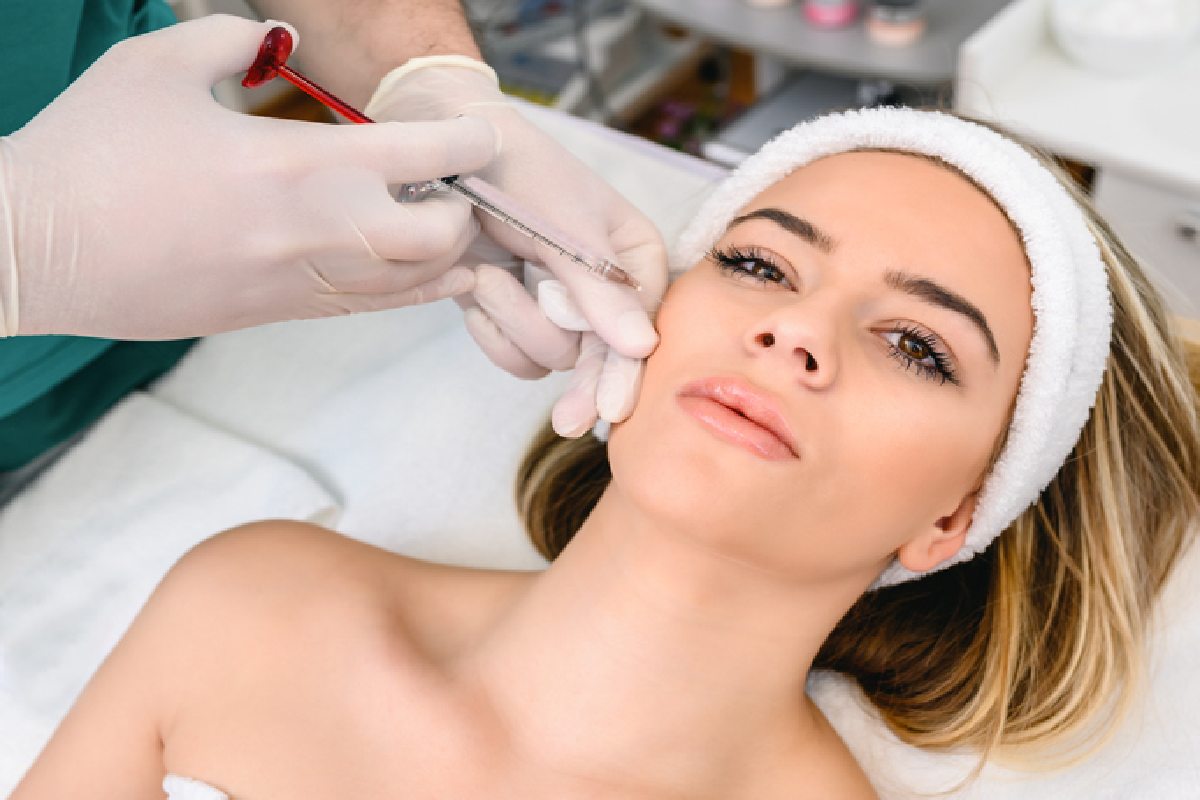
Excessive blushing, sometimes called pathological or chronic blushing, can be an emotionally challenging condition. It may cause discomfort, embarrassment, and self-consciousness, particularly in social or professional situations. While facial redness can have several underlying causes, one treatment that has attracted attention is Botox.
Botox is widely recognised for its cosmetic applications, including reducing wrinkles and fine lines. However, its medical uses extend beyond aesthetics. In selected cases, healthcare professionals may explore botulinum toxin injections as an option for managing certain symptoms associated with excessive sweating and facial flushing.
In this comprehensive guide, we’ll explore how Botox may help manage excessive blushing, how the procedure works, its potential benefits and limitations, and whether it could be an appropriate option for you.
Table of Contents
Understanding Excessive Blushing
Excessive blushing is an exaggerated physiological response that causes the face, neck, or upper chest to become noticeably red. It commonly occurs in response to emotional triggers such as embarrassment, anxiety, nervousness, or stress.
Blushing is a normal bodily response. However, when it happens frequently or intensely, it can become socially challenging and affect a person’s confidence, relationships, and professional interactions.
Common triggers for excessive blushing include:
- Social situations: Public speaking, meeting unfamiliar people, attending social gatherings, or participating in conversations can trigger facial redness.
- Embarrassment: Even minor uncomfortable situations can cause an intense blushing response.
- Anxiety: Social anxiety, performance anxiety, and stressful situations may increase the frequency of blushing.
- Self-consciousness: Worrying about blushing can create a cycle in which the fear of becoming red triggers further anxiety and flushing.
It is important to distinguish emotional blushing from other causes of facial redness, including rosacea, skin irritation, allergies, medication reactions, and hormonal changes. Identifying the underlying cause is essential before choosing a treatment.
The Role of Botox in Managing Excessive Blushing
Botox is a purified form of botulinum toxin type A. It works by temporarily blocking certain chemical signals between nerves and their target tissues.
Although Botox is best known for its cosmetic applications, it also has established medical uses. These include treating certain muscle conditions and excessive sweating (hyperhidrosis).
You can learn more about its wider applications in our guide to Botox and its benefits beyond beauty treatments.
How Does Botox Work for Facial Redness?
Botox may be considered in selected cases of excessive facial sweating or flushing, but its effectiveness for emotional blushing is not firmly established. Its potential effects are generally discussed in the following ways:
1. Modulating Nerve Signals
Botox blocks the release of acetylcholine from certain nerve endings. This mechanism can reduce activity in targeted muscles and sweat glands. However, it does not directly or reliably prevent all blood-vessel dilation responsible for blushing.
2. Reducing Excessive Sweating
When facial redness occurs alongside excessive sweating, Botox may help address the sweating component. It is an established treatment for certain forms of hyperhidrosis, although facial treatment requires careful assessment.
3. Temporary Effects
Botox is not a permanent treatment. Its effects generally last several months, depending on the treatment area, dosage, and individual response. Repeat treatments may be considered when medically appropriate.
The Botox Procedure for Excessive Blushing
If a healthcare professional determines that Botox may be suitable, the treatment generally involves several steps.
1. Consultation
The process begins with a consultation with a qualified medical professional, such as a dermatologist. The practitioner will assess your symptoms, medical history, possible triggers, and the underlying cause of facial redness.
They may recommend additional evaluation if the redness is persistent or associated with other skin symptoms.
2. Injection Planning
If Botox is considered appropriate, the practitioner will identify the treatment area and determine whether injections are likely to address the specific symptoms.
The injection locations and dosage depend on the individual’s condition. Treatment should not automatically involve the forehead, nose, and cheeks; the plan must be based on a proper clinical assessment.
3. Injection Procedure
Botox is administered using a fine needle into selected areas. The procedure is usually performed in a clinical setting and may take approximately 15–30 minutes, depending on the treatment area and number of injections.
A mild pinching sensation or temporary discomfort may occur.
4. Recovery
Most people can return to their usual activities shortly after treatment. However, the practitioner may provide specific aftercare instructions and recommend avoiding certain activities for a short period.
5. Results and Follow-Up
Botox does not work immediately. When effective, its effects typically begin to appear within several days, with the full effect developing over approximately one to two weeks.
The duration of results varies depending on the treatment indication and individual response.
Potential Benefits of Botox for Excessive Blushing
Although Botox is not a universally established treatment for chronic emotional blushing, it may offer certain benefits in appropriately selected cases.
Minimally Invasive Treatment
Botox injections do not require surgery or general anaesthesia. The procedure is usually performed in an outpatient setting.
Potential Reduction in Excessive Sweating
For individuals whose facial redness is accompanied by excessive sweating, Botox may help reduce sweat production in the treated area.
Limited Downtime
Most treatments involve little downtime, allowing individuals to resume many normal activities soon after the procedure.
Temporary Effects
Because Botox is temporary, patients can assess their response before deciding whether further treatment is appropriate.
Improved Confidence
For people experiencing distress because of excessive sweating or other treatable symptoms, successful treatment may improve comfort and confidence in social situations. However, improvements in emotional blushing should not be guaranteed.
Possible Side Effects and Risks of Botox
Like any medical procedure, Botox injections can cause side effects. These may include:
- Temporary redness, swelling, or bruising at the injection site.
- Mild pain or tenderness.
- Headache.
- Temporary muscle weakness in the treated area.
- Unwanted changes in facial expression, depending on the injection location.
- Rarely, more serious effects such as difficulty swallowing, speaking, or breathing.
Seek immediate medical attention if you experience difficulty breathing or swallowing, or widespread muscle weakness after treatment.
Always choose a qualified healthcare professional who understands facial anatomy and the medical use of botulinum toxin.
Is Botox the Right Choice for You?
Deciding whether Botox is appropriate for excessive blushing requires an individual medical assessment. The treatment may be more relevant when excessive sweating is also present, rather than when emotional flushing is the only symptom.
Consider these factors before proceeding:
Severity: How frequently does facial redness occur, and how significantly does it affect your daily life?
Underlying Cause: Determine whether the redness is related to emotional triggers, rosacea, skin sensitivity, medication, or another medical condition.
Health Considerations: Discuss existing medical conditions, allergies, and medications with your healthcare professional.
Expectations: Understand that Botox may not eliminate blushing or prevent every episode of facial redness.
Maintenance: Results are temporary, and repeat treatment may be required for conditions that respond to Botox.
Alternatives: Depending on the underlying cause, psychotherapy, medication, skincare adjustments, and other medical treatments may be more appropriate.
Alternatives to Botox for Managing Facial Redness
Botox is only one possible approach, and it is not suitable for everyone. Other treatment options may be considered depending on the cause of facial redness.
1. Dermatological Treatments
If facial redness is caused by rosacea, irritation, or another skin condition, a dermatologist may recommend prescription treatments, gentle skincare products, or other targeted therapies.
2. Laser and Light-Based Treatments
Certain laser and light-based procedures can target visible blood vessels and persistent redness. The appropriate technology depends on skin type, the underlying condition, and the severity of the symptoms.
3. Microneedling and Skin Rejuvenation
Microneedling is a cosmetic procedure that creates controlled micro-injuries in the skin to support its natural repair process. It is commonly used for concerns such as acne scars, uneven texture, and selected signs of skin ageing.
For a closer look at skin rejuvenation, read our guide to microneedling and Calecim. However, microneedling is not a standard treatment for excessive blushing and may temporarily increase redness after the procedure.
4. Psychological Support
When blushing is closely associated with social anxiety or emotional distress, cognitive behavioural therapy (CBT) and other psychological approaches may help people manage triggers and reduce the fear associated with blushing.
5. Other Medical and Cosmetic Procedures
Some individuals explore additional cosmetic or medical procedures to address specific appearance-related concerns. The right approach depends on the diagnosis, expected benefits, and potential risks.
You can learn more about different procedures and their considerations in our overview of plastic surgery and cosmetic treatments.
Conclusion: Can Botox Help Control Excessive Blushing?
Excessive blushing can affect confidence, emotional well-being, and everyday interactions. Botox has several established medical and cosmetic applications, particularly for certain types of excessive sweating. However, its effectiveness for chronic emotional blushing and facial flushing remains less certain.
Before considering injections, consult a qualified dermatologist or healthcare professional to identify the underlying cause of your facial redness. Depending on your symptoms, they may recommend Botox, dermatological treatments, psychological support, or another approach.
The most important step is choosing a treatment based on an accurate diagnosis rather than assuming that one procedure will work for every type of facial redness.
For readers comparing controlling facial redness the role of botox in managing excessive blushing, it is also useful to understand botox from beauty to medical benefits. Looking at both topics together can make the wider aesthetic & cosmetic treatments decision easier and help readers choose the next step that fits their needs.