
Living with a disability or physical difference can present everyday challenges. Even simple activities, such as preparing food or getting dressed, can sometimes require additional time, effort, or assistance. Finding clothing that is comfortable, practical, and easy to wear has not always been straightforward for people with different mobility and dressing needs.
Thankfully, adaptive clothing and the growing popularity of inclusive fashion have made everyday dressing more convenient. Designers and advocates, including Christina Stephens, have helped bring greater attention to adaptive fashion and the importance of accessible clothing.
For those hearing the term for the first time, adaptive clothing refers to garments specifically designed for people with physical disabilities, mobility limitations, or other dressing requirements. These clothes aim to make putting on and removing garments easier, more comfortable, and more convenient for both wearers and caregivers.
The best part is that people no longer need to sacrifice personal style to enjoy practical clothing. Adaptive fashion combines functionality with contemporary designs, offering more choices for different needs and preferences.
So, should you consider buying adaptive clothing instead of relying entirely on regular garments? Understanding its benefits can help you make an informed decision.
Table of Contents
1. Regular Clothing Can Cause Pressure and Discomfort
People with disabilities, particularly those with mobility limitations or sensory sensitivities, may find certain regular clothing styles uncomfortable or difficult to wear. Thick fabrics, restrictive waistbands, tight seams, and complicated fastenings can create unnecessary discomfort.
For someone who spends extended periods sitting or uses a wheelchair, certain clothing designs may also create pressure around the waist, hips, or other areas of the body.
Adaptive clothing addresses these challenges through thoughtful design features. Depending on the garment, these may include:
- Soft and breathable fabrics.
- Flat seams and reduced internal stitching.
- Adjustable waistbands and flexible fits.
- Wider openings for easier dressing.
- Convenient fastenings that reduce the need for complicated movements.
These features can make everyday dressing more manageable while helping people find clothing that suits their comfort requirements.
The same attention to comfort and fit is important when choosing other types of clothing. For example, people who enjoy exercising can explore how to choose the perfect sports bra to understand the importance of appropriate support and a comfortable fit.
2. Adaptive Clothing Helps People Maintain Independence
As people grow older or experience changes in mobility and motor control, everyday dressing tasks can become increasingly challenging. Even seemingly simple activities, such as fastening buttons, pulling up trousers, or closing zippers, may require assistance.
This can sometimes affect a person’s confidence and sense of independence.
Adaptive clothing helps address these difficulties through easy-to-operate closures and practical garment designs. Instead of relying exclusively on traditional buttons and hooks, some garments feature:
- Magnetic buttons: Designed to make fastening shirts and other garments easier.
- Velcro closures: Allow garments to be opened and secured without complicated movements.
- Side openings: Make dressing easier for people with limited mobility.
- Elastic waistbands: Reduce the effort required to put on and remove trousers.
- Easy-access designs: Help caregivers assist with dressing when necessary.
These features can allow some individuals to manage more of their dressing routine independently. The level of independence will naturally depend on each person’s abilities and clothing requirements.
Adaptive clothing is not about changing someone’s personal style. It is about providing more practical choices so that people can dress comfortably and confidently.
3. Caregivers Can Feel More Confident
Caring for someone with a physical disability or mobility limitation can involve many responsibilities. Not every caregiver has professional training, and family members may sometimes struggle to manage everyday dressing tasks.
Activities such as buttoning shirts, fastening trousers, or changing clothes can become particularly challenging when the person receiving care has limited movement.
These difficulties can also affect the emotional well-being of both individuals. A person who needs assistance with dressing may feel frustrated about losing some independence, while caregivers may worry about causing discomfort during the process.
Adaptive clothing can make these routines more manageable. Features such as magnetic fastenings, adjustable openings, and easy-access designs can reduce the physical effort involved in dressing and changing clothes.
This may help caregivers provide assistance with greater confidence while supporting the dignity and comfort of the person receiving care.
For families looking after older adults or individuals with mobility challenges, choosing suitable adaptive garments can be a practical addition to everyday care routines.
4. Adaptive Fashion Offers More Clothing Choices
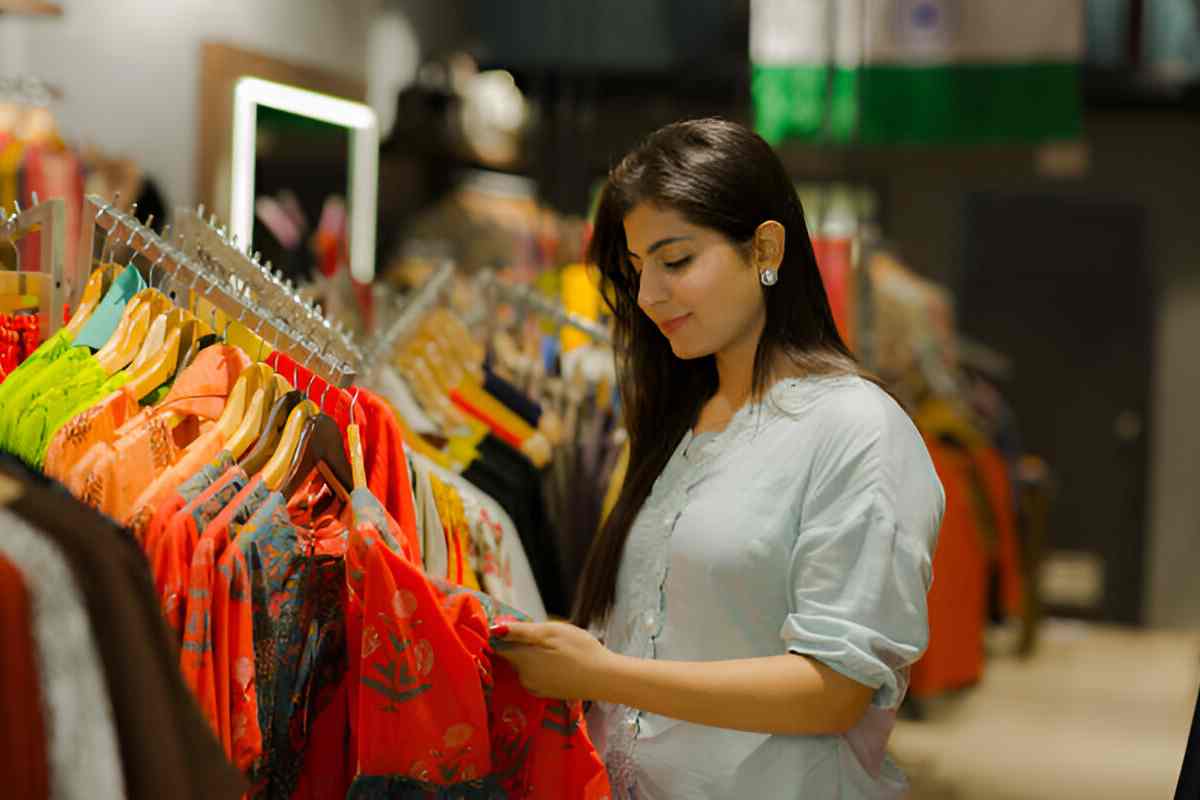
One common misconception is that adaptive clothing is purely functional and does not offer fashionable designs. However, inclusive fashion has continued to evolve, giving shoppers more options in terms of colours, patterns, fabrics, and styles.
Today, adaptive garments can include casual clothing, formal outfits, sleepwear, and everyday essentials. This allows individuals to choose clothes that reflect their personalities rather than limiting themselves to a small selection of practical garments.
Fashion preferences also differ from person to person. Some people prefer relaxed everyday outfits, while others enjoy experimenting with different styles and accessories.
For additional wardrobe inspiration, explore this guide to different types of lingerie, which discusses various designs, fabrics, and styles.
The important thing is to find garments that balance appearance, comfort, accessibility, and individual preferences.
5. Choosing the Right Adaptive Clothing
Before purchasing adaptive clothing, consider the wearer’s specific needs and daily routine. Not every adaptive garment is designed for the same purpose, so selecting suitable features is essential.
Here are a few things to consider:
Understand the wearer’s mobility needs: Consider whether the person has difficulty standing, bending, reaching, or moving their arms and legs.
Check the fastening system: Magnetic buttons, Velcro closures, and adjustable fastenings can make dressing easier for some individuals.
Prioritize fabric and comfort: Look for breathable materials, soft textures, and comfortable seams, particularly if the garment will be worn for extended periods.
Choose the correct size: Clothing should provide enough room for comfortable movement without being excessively loose or restrictive.
Consider everyday activities: Think about whether the garment is intended for sleeping, sitting, travelling, exercising, or everyday wear.
Footwear is another important consideration when building a comfortable wardrobe. People who enjoy walking or staying active may find this guide on how to choose the best Puma running shoes useful when exploring footwear options.
For individuals with specific mobility or medical requirements, it may also be helpful to consult an occupational therapist or healthcare professional about suitable clothing features.
Final Thoughts
Needing assistance with dressing can sometimes affect a person’s confidence and sense of independence. Adaptive clothing offers practical solutions that can make everyday dressing easier while supporting comfort, dignity, and personal style.
From magnetic closures and adjustable waistbands to soft fabrics and accessible designs, these garments provide more choices for people with different physical needs.
Adaptive fashion advocates and designers, including Christina Stephens, have helped bring greater awareness to the importance of inclusive clothing. As the industry continues to evolve, more people can access garments designed around their individual requirements.
Ultimately, adaptive clothing is about making fashion more accessible. Choosing garments that suit your comfort, mobility, and lifestyle can help make everyday dressing a more convenient and positive experience.