
Table of Contents
The Science Behind CoolSculpting
CoolSculpting, often referred to as fat freezing, is a non-invasive body contouring technique based on the science of cryolipolysis. This innovative approach was developed after researchers observed that fat cells are more sensitive to cold temperatures than the surrounding tissues.
How Does CoolSculpting Work?
1. Selective Cooling: During a CoolSculpting session, a specialised applicator is placed on the target area. It delivers controlled cooling to the underlying fat cells.
2. Apoptosis and Elimination: The cold exposure triggers a process called apoptosis, or programmed cell death, in some of the targeted fat cells. Over the following weeks, the body gradually processes and eliminates these damaged cells through its natural metabolic processes.
3. Long-Term Fat Reduction: Once the targeted fat cells are eliminated, they do not grow back. However, the remaining fat cells can still enlarge with weight gain, so maintaining a stable weight is important for preserving results.
Advantages of CoolSculpting
- Non-invasive: No surgical incisions or general anaesthesia are required.
- Minimal downtime: Most patients can return to their normal activities shortly after treatment.
- Precision: Specialised applicators target specific areas of unwanted fat.
- Gradual results: Changes develop progressively, creating a natural-looking contour.
- Versatility: It can be used on selected areas, including the abdomen, thighs, flanks, and upper arms.
The CoolSculpting Procedure
What can you expect from a CoolSculpting treatment? Here is a closer look at the process.
Consultation and Treatment Plan
Your CoolSculpting journey begins with a consultation with a qualified provider. During this appointment, you’ll discuss your body contouring goals and areas of concern.
The provider will assess your suitability and develop a personalised treatment plan based on your body composition and expectations.
Treatment Session
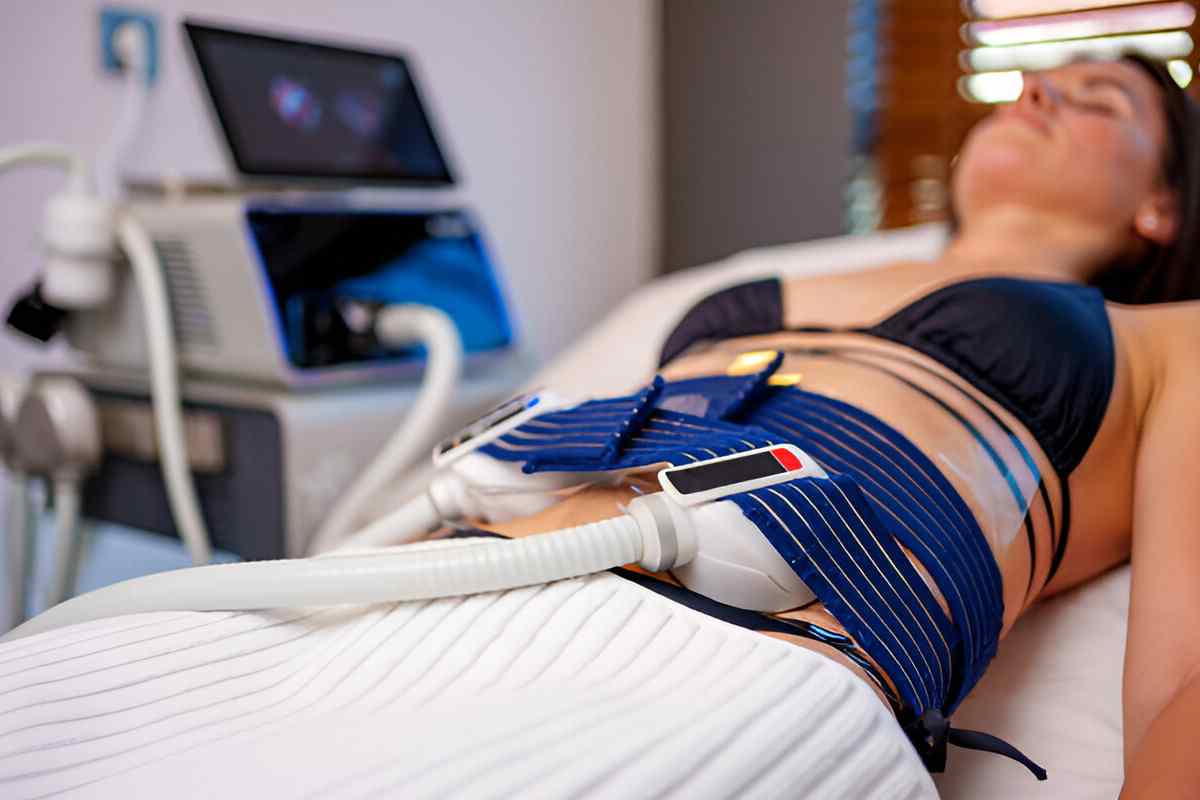
On the day of your CoolSculpting session, you’ll be comfortably positioned in a treatment room. The specialised applicator is placed on the target area, and controlled cooling begins.
The procedure is generally well tolerated. Many patients read, work on their laptops, or simply relax during the session, which typically lasts around 35–60 minutes per treatment cycle, depending on the applicator and treatment area.
Post-Treatment
Following the procedure, most patients can resume their daily activities immediately.
Some temporary side effects may include redness, swelling, bruising, tenderness, or numbness in the treated area. These effects generally improve over time.
A rare but important complication is paradoxical adipose hyperplasia (PAH), in which the treated fat area becomes enlarged rather than reduced. This may require surgical correction.
Outcome: Gradual Fat Reduction
CoolSculpting results develop gradually as the body processes and eliminates the targeted fat cells.
Some patients begin noticing changes within a few weeks, with more noticeable results generally appearing after two to three months. Individual results vary, and additional treatment cycles may be recommended.
Is CoolSculpting Right for You?
CoolSculpting may be suitable for individuals who:
- Have localised pockets of stubborn fat that remain despite diet and exercise.
- Prefer a non-surgical approach to body contouring.
- Want a treatment with minimal downtime.
- Desire gradual and natural-looking fat reduction.
- Are close to their desired body weight.
However, CoolSculpting is not a weight-loss treatment or a solution for obesity. Consulting a qualified provider is essential to determine whether you are a suitable candidate.
Understanding Liposuction
Liposuction, often called lipo or lipoplasty, is a surgical procedure designed to remove excess fat from specific areas of the body. It has been a popular method of body contouring for several decades.
Unlike CoolSculpting, which gradually reduces targeted fat cells through controlled cooling, liposuction physically removes fat through a surgical procedure.
How Does Liposuction Work?
1. Anaesthesia: Liposuction is performed using an appropriate form of anaesthesia, depending on the extent of the procedure and the patient’s needs.
2. Incisions: Small incisions are made in the targeted body area.
3. Tumescent Solution: In many techniques, a solution containing saline, local anaesthetic, and epinephrine is introduced into the treatment area. This helps reduce bleeding and makes fat removal easier.
4. Fat Removal: A thin tube called a cannula is inserted through the incisions. The surgeon uses controlled movements to loosen and suction out unwanted fat.
5. Sculpting: The surgeon carefully removes and shapes the fat to achieve the desired body contours.
6. Incision Closure: Once the procedure is complete, the incisions are managed according to the surgical plan, and dressings or compression garments may be applied.
Advantages of Liposuction
- Noticeable results: Changes in body contours can be visible soon after surgery, although swelling initially affects the appearance.
- Versatility: It can address larger fat deposits and multiple body areas.
- Precision: Surgeons can customise fat removal to improve body proportions.
- Long-lasting results: Removed fat cells do not return, although remaining fat cells can still enlarge.
- Significant fat reduction: It can remove larger volumes of fat than non-invasive treatments.
The Liposuction Procedure
What can you expect from liposuction surgery? Here is an overview of the process.
Consultation and Planning
If you choose liposuction, your first step should be a consultation with a board-certified plastic surgeon.
During this appointment, you’ll discuss your goals, medical history, and the areas you want to treat. The surgeon will evaluate your suitability and develop a personalised surgical plan.
Surgical Session
On the day of your procedure, you’ll be prepared for surgery at an appropriate medical facility.
Anaesthesia will be administered according to your treatment plan. The surgeon will make small incisions in the targeted area and use a cannula to remove excess fat.
The duration of the procedure depends on the number of areas being treated and the amount of fat being removed.
Post-Surgery Recovery
After liposuction, patients are generally required to wear compression garments to help minimise swelling and support the healing process.
You may experience bruising, swelling, soreness, and discomfort in the treated areas.
Most people need some recovery time before returning to their usual routines. Full recovery and final results can take several weeks to months, depending on the extent of surgery and individual healing.
Outcome: Immediate and Long-Term Results
Although liposuction can produce noticeable changes immediately after surgery, swelling may initially conceal the final outcome.
As the swelling gradually subsides, the improved body contours become more visible.
The fat cells removed during liposuction are permanently eliminated. However, maintaining a stable weight is essential because the remaining fat cells can still increase in size.
Is Liposuction Right for You?
Liposuction may be a suitable choice if you:
- Have localised or larger volumes of stubborn fat.
- Prefer a surgical procedure for more substantial fat reduction.
- Are comfortable with surgery and the associated recovery period.
- Want more precise body contouring and shaping.
- Are close to your ideal body weight and have realistic expectations.
However, liposuction is not a substitute for weight loss. It is important to consult a board-certified plastic surgeon to determine your eligibility and understand the potential risks.
Comparing CoolSculpting and Liposuction: A Brief Overview
Here is a quick comparison to help you understand the main differences between these two body contouring procedures.
| Comparison | CoolSculpting | Liposuction |
|---|---|---|
| Procedure type | Non-invasive | Surgical |
| Technology | Controlled cooling | Surgical fat removal |
| Anaesthesia | Not usually required | Required, depending on procedure |
| Incisions | None | Small incisions |
| Downtime | Usually minimal | Several days to weeks |
| Results | Gradual, over weeks to months | Noticeable initially; final results after swelling subsides |
| Target areas | Selected localised fat deposits | Multiple body areas |
| Fat reduction | Permanent reduction in treated fat cells | Permanent removal of fat cells |
| Surgical risks | No surgical incision risks, but treatment complications can occur | Surgical and anaesthesia-related risks |
| Customisation | Applicator-based targeting | Surgeon-controlled fat removal and contouring |
| Discomfort | Cold sensation, pulling, temporary discomfort | Post-operative soreness and swelling |
| Cost | Varies by area and treatment cycles | Generally higher upfront surgical cost |
Making Your Decision: CoolSculpting or Liposuction?
Deciding between CoolSculpting and liposuction depends on your personal preferences, body composition, and treatment goals.
Here are some important factors to consider.
1. Amount of Fat to Remove
If you have smaller, localised fat deposits and prefer a non-invasive approach, CoolSculpting may be worth considering.
For individuals who want to remove larger volumes of fat, liposuction may offer more substantial results.
2. Recovery Time
Consider how much downtime you can accommodate.
CoolSculpting generally allows patients to return to their normal activities quickly. Liposuction, on the other hand, requires a recovery period involving swelling, bruising, and post-operative care.
3. Desired Results
Both procedures can provide lasting fat reduction in treated areas.
CoolSculpting produces gradual changes, while liposuction offers more immediate changes in body contours, although final results take time to develop.
4. Precision and Body Contouring
Liposuction allows surgeons to remove fat strategically and sculpt the treated area.
CoolSculpting uses specialised applicators to target selected fat deposits without surgical intervention.
5. Surgical Considerations
Some individuals prefer to avoid surgery altogether and may feel more comfortable with a non-invasive procedure.
Others may prefer the more substantial contouring changes that liposuction can provide.
Ultimately, a qualified medical professional can help you understand which option is appropriate for your circumstances.
Other Non-Surgical Cosmetic Treatments to Explore
CoolSculpting and liposuction are not the only options available for individuals interested in improving their body contours.
Depending on your aesthetic goals, you may also want to explore other cosmetic procedures.
For example, non-surgical butt lifts explore different approaches to enhancing buttock shape and volume without traditional surgery.
If you’re also interested in facial rejuvenation, understanding the cost of facelift surgery in Beverly Hills, CA can help you learn more about the financial considerations associated with surgical facial enhancement.
For individuals interested in facial contouring rather than body fat reduction, jaw Botox is another treatment worth exploring. It targets the masseter muscles to help create a slimmer-looking lower face rather than removing fat.
Remember that these treatments address different concerns and cannot replace one another.
Final Thoughts
CoolSculpting and liposuction are two popular approaches to achieving your desired body contours. While CoolSculpting offers a non-invasive and gradual approach to targeted fat reduction, liposuction provides more substantial and customisable fat removal through surgery.
Your choice should align with your body contouring goals, comfort level, medical suitability, budget, and recovery expectations.
Both procedures have potential risks, and neither replaces a healthy lifestyle or weight management.
Remember, your journey towards improved body contours begins with a conversation with a qualified medical professional who can assess your needs and help you make an informed decision.
Take the first step towards understanding your options and choosing the treatment that is right for you.