
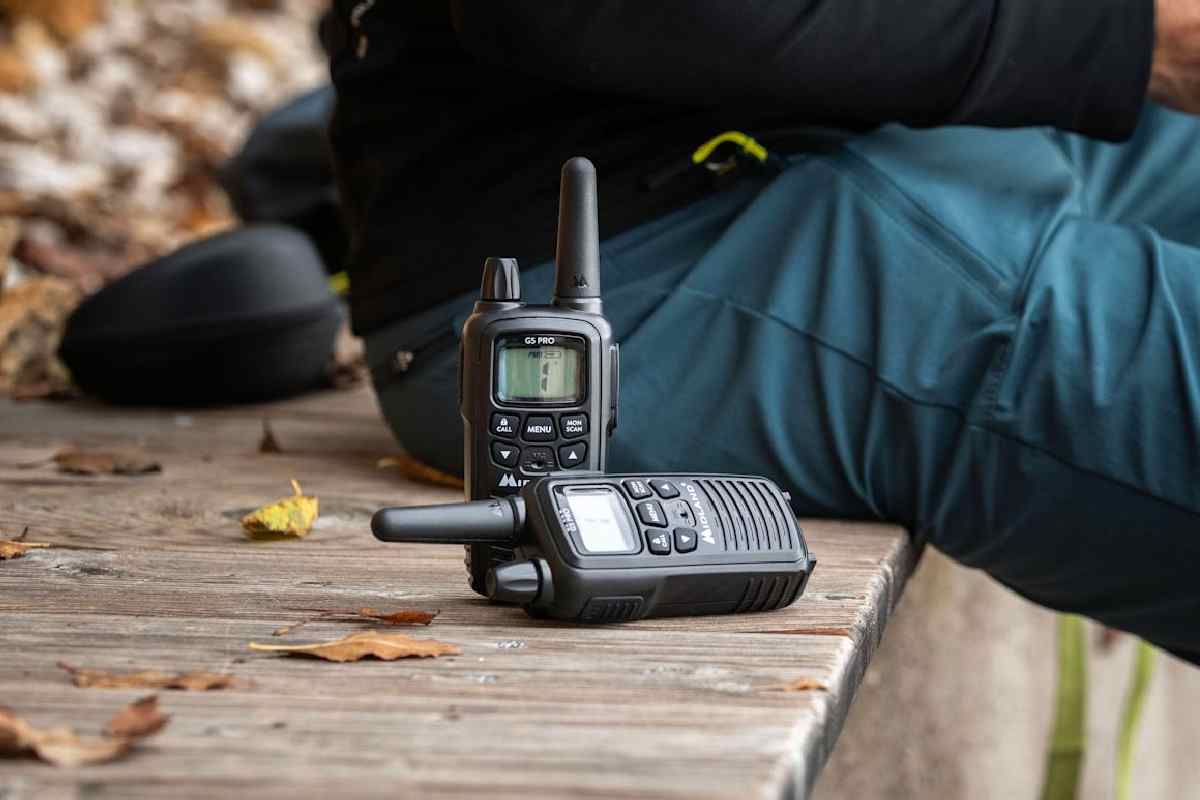
Communication is one of the first challenges people face when a crisis strikes. Dealing with natural disasters, power outages and crumbling infrastructure can knock out cell phone networks, leaving you cut off from loved ones, emergency services and neighbors. And even well-equipped emergency kits can only be as effective as their weakest link, and without a system for relaying information, even well-stocked supplies can fall short.
Walkie-talkies have the power to cut through all these problems by not requiring internet signals, towers or electrical power. The ability to instantly send and receive messages, their long range, and durable construction makes them a must-have for any emergency preparedness plan. Understanding how valuable they are is what makes the difference between being ready and being caught off guard.
Table of Contents
Reliable Communication When Networks Fail
The reason walkies are such an essential component of emergency preparedness is that they can function completely on their own, without relying on commercial communication networks. This is particularly important in the aftermath of disasters such as hurricanes, wildfires, or earthquakes, when cell towers may be overloaded and residents may not be able to call for help.
Instant, Hands-Free Communication for Faster Response
When communication is critical, a walkie-talkie has the ability to provide a direct line of connection between families, neighbors, and emergency teams, and ensures that information is sent to the right people, quickly and reliably.
The communication demands of emergencies can’t wait and two-way radios offer an instant push-to-talk feature. Unlike cell phones, you don’t have to wait for a connection, scroll through contacts, or dial numbers. It’s instant communication that gets you in contact with the person you need to talk to.
Enhanced Range and Durability for Tough Conditions
Emergency communications can be a real challenge, and modern walkie-talkies are a game-changer when disaster strikes. Equipped with tough, resistant materials that can withstand the elements and rough handling, they’re designed for the unexpected.
Their ability to send and receive messages over large areas, without any interruptions is what makes them so useful – not just in emergency situations, but also in neighborhoods, campsites and vast properties. Staying in touch with separated family members or volunteers covering huge search zones is also made easier with handheld radios.
Battery Reliability and Alternative Power Options
Power outages and running out of battery can be catastrophic, especially during emergencies. Two-way radios avoid these issues with easily replaceable batteries and solar chargers and hand-crank adapters. The ability to function independently of the grid means these radios are always ready to go, even when other communications fail, which often happens in an emergency.
A Walkie-Talkie Is a Simple Tool That Makes a Critical Difference
Concerning emergency preparedness, handheld radios are a staple that should be a part of any emergency kit. Their independence from cellular networks, rugged build, long battery life and efficient operation make them the go-to communication tool for people who need a dependable means to stay in contact during a disaster.
By supplying a means of communication that can cut through when everything else fails, walkies strengthen emergency response and gives family members, and neighbors peace of mind. Including them in a preparedness plan guarantees that when disaster strikes communication does not need to be sacrificed.