
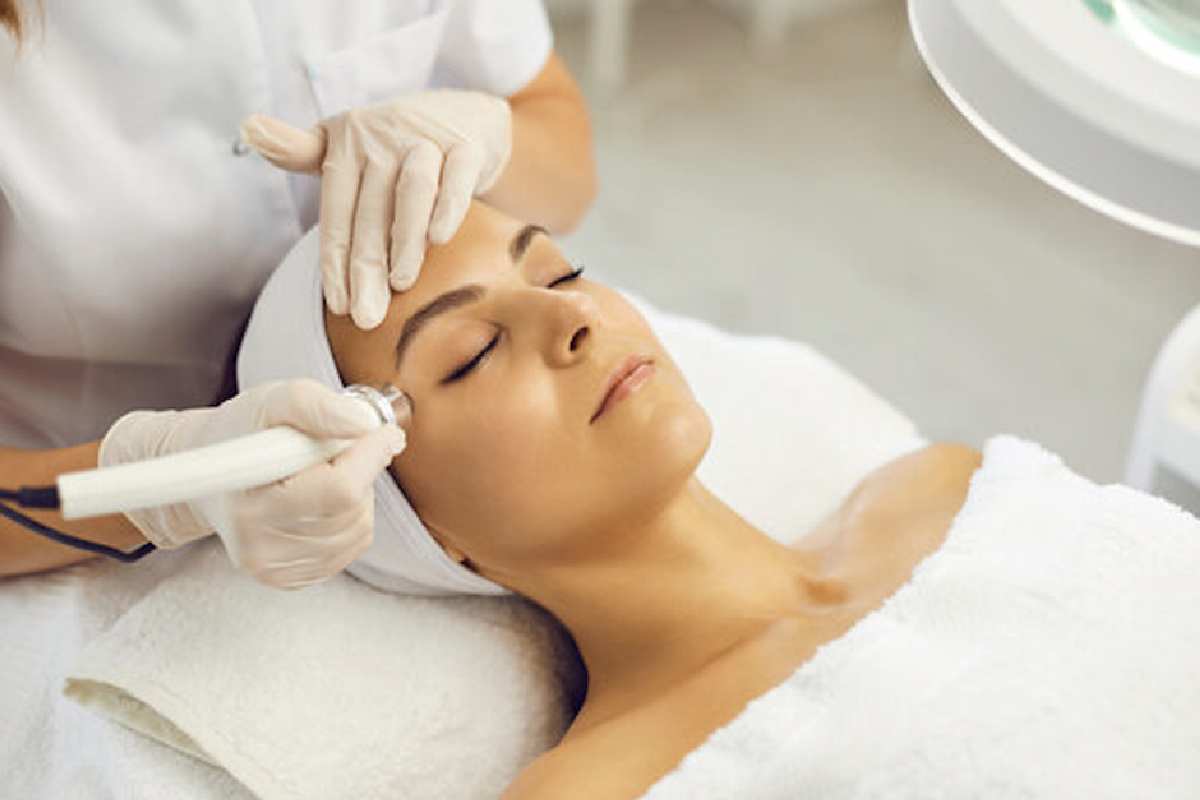
In the professional skincare industry, most treatments remain known by their category rather than brand names. Clients typically request “chemical peels” or “microneedling” rather than specific proprietary treatments. Yet recent industry research reveals that Hydrafacial treatments have become the number one client-requested skincare treatment by name—a distinction that carries significant implications for understanding consumer preferences and market dynamics.
Table of Contents
The Request-by-Name Phenomenon
The shift from category requests to brand-specific requests represents a fundamental change in consumer behavior. When clients begin asking for treatments by brand name rather than treatment type, it indicates several factors working in concert.
First, the treatment must deliver results consistent enough that recipients feel confident recommending it to friends and family. Unlike product recommendations where failure risks only wasted money, treatment recommendations risk both financial loss and potential skin damage if outcomes don’t meet expectations. The willingness to recommend a specific treatment by name suggests strong confidence in consistent results.
Second, the treatment experience must be distinctive enough that people remember the specific name months or years after initial receipt. In a market with numerous facial treatment options, many delivering similar outcomes, consumers often forget exactly which treatment they received at a specific spa or medical office. The fact that consumers remember and specifically request Hydrafacial treatments indicates memorable experiences that create lasting impressions.
Third, the treatment must maintain consistency across different providers and locations. When clients request treatments by brand name, they expect similar results regardless of where they receive the treatment. This consistency requires robust training protocols, standardized equipment, and clear treatment guidelines that ensure quality control across diverse provider settings.
Understanding the 92% Switching Statistic
Perhaps the most revealing data point about consumer preference comes from research showing that 92% of consumers who have received Hydrafacial treatments would switch estheticians if their current provider did not offer Hydrafacial treatments. This willingness to change providers represents remarkable brand loyalty in an industry where convenience, personal relationships, and established trust typically outweigh specific treatment preferences.
The switching threshold reveals consumer priorities. In most service categories, people demonstrate strong loyalty to individual providers—they prefer maintaining established relationships over accessing specific services or brands. The fact that nearly all Hydrafacial consumers would switch providers to maintain treatment access suggests that they value the specific attributes of the treatment more highly than provider continuity.
This preference indicates confidence that Hydrafacial treatments will deliver consistent results regardless of where consumers receive them. Unlike some aesthetic treatments where provider skill and experience significantly impact outcomes, consumers evidently trust that Hydrafacial treatments will perform similarly across different locations and practitioners.
The Clinical Foundation
Consumer preference requires actual results that meet or exceed expectations. The clinical data supporting Hydrafacial treatments helps explain the request-by-name phenomenon and consumer loyalty metrics.
The treatment has achieved a 96% RealSelf “Worth It” rating, meaning that 96% of consumers who received the treatment indicate they would undergo the procedure again. This rating provides concrete measurement of satisfaction levels—if consumers wouldn’t repeat a treatment, they certainly wouldn’t request it by name or switch providers to maintain access.
The Net Promoter Score of 55 offers another satisfaction metric. This measurement assesses the likelihood that recipients will recommend the treatment to others, with scores above 50 considered excellent across most industries. In the aesthetics space where treatment experiences vary significantly and consumer expectations run high, maintaining a Net Promoter Score in this range indicates consistent delivery of outcomes that satisfy demanding criteria.
Immediate and Visible Results
One factor contributing to the request-by-name phenomenon involves the immediacy of treatment outcomes. Unlike treatments requiring multiple sessions before visible results or those with delayed effects that manifest over weeks or months, Hydrafacial treatments deliver what the company describes as immediate, glowing results with no downtime.
This immediacy matters because it creates clear before-and-after experiences that consumers can directly attribute to the specific treatment. When results appear gradually over extended periods, consumers often struggle to isolate which specific interventions contributed to improvements. Immediate visible outcomes create clear mental associations between the treatment name and positive results.
The no-downtime aspect also contributes to consumer preference. Treatments requiring extended recovery periods create scheduling challenges and lifestyle disruptions that limit their accessibility. The ability to receive a professional treatment and immediately return to normal activities without visible side effects expands the consumer base to include people whose schedules or preferences preclude more invasive options.
Personalization Across Demographics
The ability to customize Hydrafacial treatments to address different skin concerns across all ages, genders, skin tones, and skin types contributes to broad consumer appeal. Unlike treatments that work best for specific demographic segments or skin types, Hydrafacial’s versatility allows it to satisfy diverse consumer needs.
This demographic flexibility helps explain why the treatment has become the most requested by name rather than serving a specific niche. When treatments work equally well for 25-year-old clients seeking prevention and 55-year-old clients addressing visible aging, the potential consumer base expands dramatically. The broader the satisfied consumer base, the more likely the treatment name will circulate through personal recommendations.
The personalization capabilities also mean that individual consumers can continue requesting the same treatment as their skin concerns evolve. Rather than switching to different treatments as they age or their priorities shift, consumers can receive customized Hydrafacial treatments that address current needs while maintaining the familiarity and trust they’ve developed with the treatment name.
The Award Recognition Factor
The accumulation of 10 major industry awards in 2025, culminating in Cosmopolitan’s Hall of Fame induction, reinforces and amplifies the request-by-name phenomenon. When consumers see treatments receiving recognition from multiple respected publications and organizations, it provides third-party validation that supports their personal experiences and increases confidence in recommendations.
The diversity of award sources—from professional estheticians to beauty editors to consumer voters—creates a comprehensive validation that extends beyond any single perspective. This multi-faceted recognition helps explain why consumers feel comfortable specifically requesting treatments by name rather than hedging with category requests that give providers flexibility in recommendations.
Brand Awareness and Social Proof
The request-by-name phenomenon requires baseline awareness—consumers cannot request treatments by name if they don’t know the names exist. Hydrafacial treatments have achieved 38% brand awareness among consumers of aesthetic and professional beauty categories, a recognition level that few professional skincare treatments match.
The social media presence supports this awareness. With 1.2 million global followers across Instagram, Facebook, TikTok, and LinkedIn, Hydrafacial has built a digital community that actively engages with treatment content. This organic following represents consumers and providers who choose to receive updates about the treatment—a level of voluntary engagement that traditional advertising cannot purchase.
Industry analysis comparing online conversation volume across seven aesthetic brands found that Hydrafacial treatments generate more digital discussion than established alternatives including JUVÉDERM, BOTOX Cosmetic, and CoolSculpting. This conversation volume, which translated to $16.4 million in earned media value through August 2025, indicates active consumer dialogue that creates social proof and reinforces the request-by-name behavior.
The 1-in-5 Penetration Rate
Research reveals that 1-in-5 consumers in the aesthetics and professional beauty category have received a Hydrafacial treatment. This 20% penetration rate represents significant market share in a category with dozens of professional treatment options competing for consumer attention and spending.
The penetration rate helps explain the request-by-name phenomenon through network effects. When one in five category consumers has experienced a treatment, the likelihood increases dramatically that someone considering professional skincare has heard personal recommendations from friends, family members, or colleagues. These personal testimonials carry more weight than advertising or professional recommendations in influencing consumer decisions.
The geographic distribution of this penetration rate also matters. With over five million Hydrafacial treatments delivered globally in 2025, the treatment has established presence across diverse markets with different aesthetic preferences and competitive landscapes. This geographic breadth means that consumers can request treatments by name with reasonable confidence that their preferred providers will offer access or that they can find nearby alternatives.
Provider Perspective on Name Requests
For skincare professionals and medspa owners, the request-by-name phenomenon creates both opportunities and pressures. When clients arrive requesting specific treatments, it reduces the education and conversion burden—rather than explaining treatment mechanisms and building confidence in unfamiliar procedures, providers can leverage existing consumer awareness and trust.
The flip side involves the pressure to offer specifically requested treatments or risk losing clients. The 92% switching statistic indicates that providers who don’t offer Hydrafacial treatments face potential client attrition to competitors who do. This dynamic influences treatment portfolio decisions and equipment investments as providers respond to consumer demand patterns.
The request-by-name behavior also affects pricing dynamics. When consumers specifically request treatments by brand name, they demonstrate lower price sensitivity than when requesting category treatments where providers can offer lower-cost alternatives. The brand loyalty indicated by the switching statistic suggests that many consumers prioritize treatment access over cost considerations.
Sustaining Request-by-Name Status
Achieving request-by-name status represents one challenge; maintaining it presents another. Consumer preferences shift as new treatments emerge and competing options improve. The fact that Hydrafacial treatments have sustained top request-by-name status while winning consecutive awards over multiple years suggests ongoing delivery of results that meet evolving consumer expectations.
This sustained preference may reflect the treatment’s ability to evolve alongside consumer needs. The award recognition across different categories—from hydrating treatments to anti-aging solutions to scalp health—suggests that the technology platform can adapt to address emerging consumer concerns rather than remain static in its applications.
The request-by-name phenomenon ultimately represents the convergence of multiple factors: consistent clinical outcomes, immediate visible results, comfortable treatment experiences, broad demographic applicability, strong brand awareness, robust social proof, and reliable performance across providers. When these elements align, they create consumer confidence strong enough to overcome typical provider loyalty and generate the specific brand requests that define market leadership in professional skincare.