
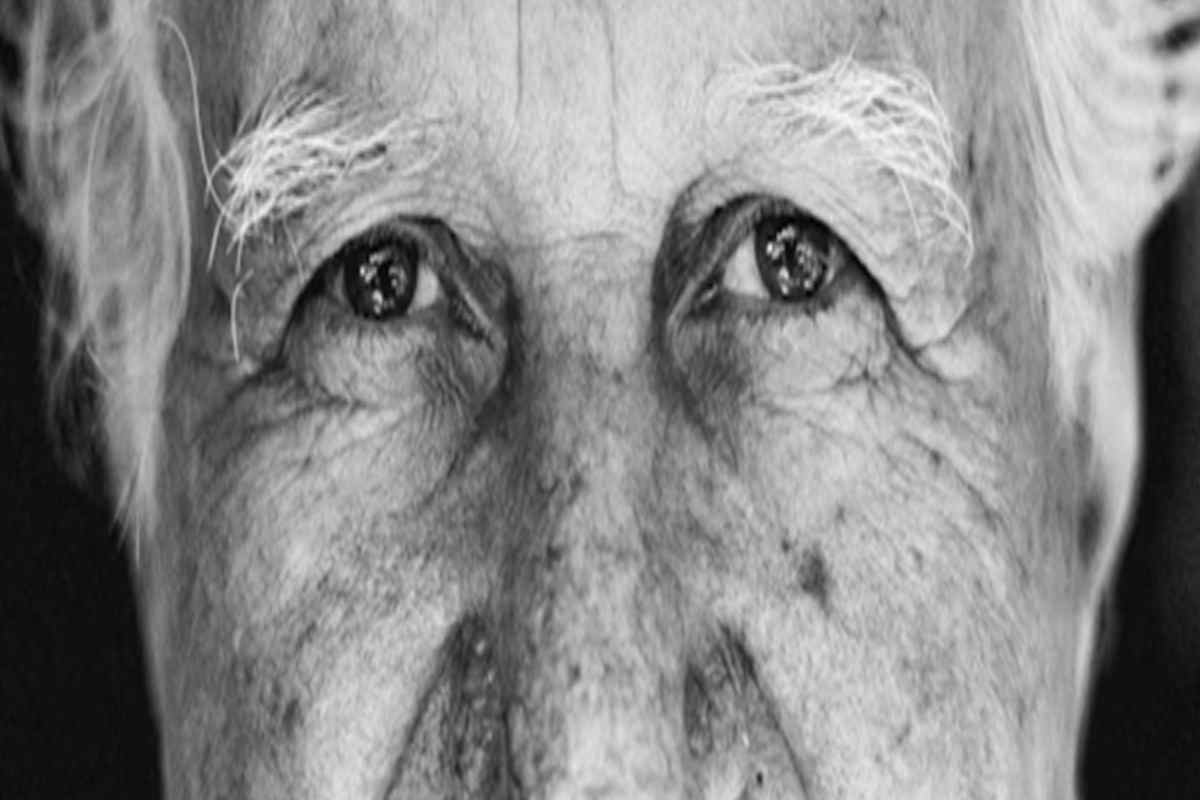
There is a particular clarity that can arrive with age — not always in vision, but in awareness. Subtle changes that might once have gone unnoticed begin to assert themselves: a need for brighter light when reading, a slight delay adjusting from daylight to dusk, the sense that road signs aren’t as crisp as they were.
Turning 50 does not signal a sudden decline in eye health, but it does mark a period where certain changes become more likely. Understanding what is normal, what is manageable, and what requires attention can make the years ahead feel far less uncertain.
Table of Contents
Reading becomes harder — and that’s expected
Presbyopia, the gradual loss of near focusing ability, affects almost everyone at some point. It tends to make itself known in the mid-to-late forties and progresses through the fifties.
You might notice yourself holding a book further away, increasing the font size on your phone, or reaching for brighter lighting. This isn’t a disease, but a natural stiffening of the lens inside the eye.
For many people, this is when prescription glasses become part of daily life for the first time. Others who already wear distance correction may shift to varifocals or separate reading lenses. It can feel like an adjustment, but it is a predictable one — and usually straightforward to manage.
Dryness is more common than people realise
Hormonal shifts, particularly around menopause, can affect tear production. Eyes may feel gritty, tired, or more sensitive to wind and air conditioning. Extended screen use can compound the issue.
Dry eye doesn’t always present dramatically. Sometimes it’s simply a vague discomfort or intermittent blur that improves after blinking. Regular eye examinations can help distinguish dryness from other causes of fluctuating vision.
Simple environmental adjustments — humidified rooms, conscious blinking during screen use — often help more than people expect.
The risk of certain conditions increases with age
From 50 onwards, routine eye examinations take on greater importance because the risk of specific age-related conditions begins to rise.
Cataracts
A cataract occurs when the eye’s natural lens becomes cloudy. Vision may appear misty or dulled, colours less vivid, and night driving more difficult due to glare. Cataracts tend to develop slowly and are extremely common with age.
Treatment, when needed, is well-established and widely performed in the UK.
Glaucoma
Glaucoma involves damage to the optic nerve, often associated with raised eye pressure. What makes it concerning is that early stages typically present without symptoms. Peripheral vision can gradually narrow without obvious warning.
Regular eye tests are the only reliable way to detect it early. Family history increases risk, so mentioning this to your optometrist matters.
Age-related macular degeneration (AMD)
Age-related macular degeneration affects central vision. Straight lines may appear distorted, and reading can become more difficult even with updated prescriptions.
There are different forms of AMD, and outcomes vary. Early identification allows for monitoring and, in some cases, treatment that can slow progression.
Night vision changes
Even without a diagnosable condition, many people notice that driving at night feels more demanding. Glare from headlights appears stronger, and adapting between light and dark takes longer.
Part of this relates to natural pupil changes and lens ageing. Updated prescriptions can help, but so can ensuring lenses are clean and free from fine scratches that scatter light.
It is often in these everyday experiences — dusk walks, theatre visits, winter commutes — that small visual shifts first become noticeable.
Colour perception and contrast sensitivity
With age, the lens can gradually yellow. This can subtly alter colour perception and reduce contrast sensitivity. It may explain why certain shades feel muted or why reading pale text on a light background becomes more difficult.
Most people adapt without consciously realising it. However, if colours seem significantly faded or one eye differs from the other, it warrants investigation.
Systemic health and the eyes
Conditions such as diabetes and high blood pressure can affect retinal health. From 50 onwards, the relationship between general health and eye health becomes more closely intertwined.
Routine retinal photography during eye examinations allows optometrists to monitor subtle vascular changes. These appointments often reveal early signs before vision is noticeably affected.
The value of consistency
Eye health over 50 is less about reacting to sudden problems and more about steady oversight. Many changes are gradual. Most are manageable. Some are simply part of living long enough for the body to evolve.
Maintaining regular examinations, updating prescription glasses when needed, and paying attention to small shifts in comfort or clarity tend to make the biggest difference.
In the UK, eyewear has become part of everyday style as much as vision correction. Retailers such as Shade Station sit within that broader landscape, but the foundation remains clinical care and informed monitoring.
Ageing eyes are not fragile; they are simply changing. Understanding those changes allows them to be met calmly rather than anxiously — and that perspective, perhaps, is one of the quieter advantages of experience.