

You have probably tried at least three different face washes in the last year. One left your skin dry. Another gave you a breakout. And the one your cousin swore by? It did absolutely nothing. You are not alone — picking the best face wash for glowing skin is genuinely confusing, and most online lists do not help because they just copy each other.
This guide is different. It breaks down exactly what to look for, what to avoid, and how to build a cleansing routine that actually gets your skin glowing — using ingredients backed by dermatology and suited for Indian skin, climate, and daily exposure.
Table of Contents
Best Face Wash for [Skin Type] – Brands & Price Table (India, 2026)
Oily & Acne-Prone Skin
| Brand | Product | Key Ingredient(s) | Price (Approx.) | Best For |
|---|---|---|---|---|
| Minimalist | 2% Salicylic Acid Face Wash | Salicylic Acid + LHA | ₹263 (100ml) | Oily, acne-prone skin |
| The Derma Co | Sali-Cinamide Anti-Acne Face Wash | 2% Salicylic Acid + 2% Niacinamide | ₹299 (80ml) | Acne + oil control |
| Plum | Green Tea Pore Cleansing Face Wash | Green Tea Extract | ₹282 (100ml) | Oily, combination skin |
| Neutrogena | Oil-Free Acne Wash | 2% Salicylic Acid + Vitamin E | ₹629 (175ml) | Stubborn acne |
| Dot & Key | CICA Face Wash with 2% Salicylic Acid | Salicylic Acid + Green Tea + Zinc | ₹349 (100ml) | Oily + sensitive skin |
Dry & Dehydrated Skin
| Brand | Product | Key Ingredient(s) | Price (Approx.) | Best For |
|---|---|---|---|---|
| Cetaphil | Gentle Skin Hydrating Face Wash | Niacinamide + Vitamin B5 + Glycerin | ₹700 (236ml) | Dry, sensitive skin |
| CeraVe | Hydrating Facial Cleanser | Ceramides + Hyaluronic Acid | ₹300 (88ml) | Dry, normal skin |
| Simple | Kind To Skin Refreshing Face Wash | Vitamin B5 + Skin-friendly botanicals | ₹249 (150ml) | All skin types, dry-friendly |
| Dot & Key | Barrier Repair Hydrating Face Wash | Hyaluronic Acid + Ceramides + Probiotics | ₹302 (150ml) | Dry, sensitive, damaged skin |
Glowing & Brightening Skin (Vitamin C + Kojic Acid Focus)
| Brand | Product | Key Ingredient(s) | Price (Approx.) | Best For |
|---|---|---|---|---|
| Dot & Key | Vitamin C + E Super Bright Gel Face Wash | Triple Vitamin C + Blood Orange + Papaya | ₹295 (100ml) | Dull skin, hyperpigmentation |
| The Derma Co | 1% Kojic Acid Face Wash | Kojic Acid + Niacinamide + Alpha Arbutin | ₹195 (100ml) | Dark spots, uneven tone |
| Minimalist | 7% ALA & AHA Brightening Face Wash | Alpha Lipoic Acid + Glycolic Acid + B5 | ₹349 (100ml) | Radiance, dead skin removal |
| Aqualogica | Glow+ Refreshing Face Wash | Vitamin C + Papaya Enzyme | ₹199 (100ml) | Brightening, all skin types |
| The Face Shop | Rice Water Bright Foaming Face Wash | Rice Water + Vitamins | ₹849 (150ml) | Brightening, uneven tone |
Sensitive & Reactive Skin
| Brand | Product | Key Ingredient(s) | Price (Approx.) | Best For |
|---|---|---|---|---|
| Cetaphil | Gentle Skin Cleanser | Glycerin + Panthenol + Niacinamide | ₹300 (125ml) | Sensitive, rosacea-prone skin |
| Simple | Refreshing Facial Wash | Soap-free, fragrance-free formula | ₹249 (150ml) | All skin types, reactive skin |
| The Moms Co | Natural Vitamin C Face Wash | Vitamin C + Natural ingredients | ₹325 (100ml) | Sensitive + pregnant women |
Pigmentation, Tan & Indian Skin Concerns
| Brand | Product | Key Ingredient(s) | Price (Approx.) | Best For |
|---|---|---|---|---|
| Mamaearth | Ubtan Natural Glow Face Wash | Turmeric + Saffron | ₹249 (200ml) | Tan removal, dullness |
| The Derma Co | 2% Cica-Glow Face Wash | Cica + Tranexamic Acid + Licorice | ₹349 (100ml) | Even tone, glowing skin |
| Himalaya | Natural Glow Kesar Face Wash | Saffron + Natural extracts | ₹175 (100ml) | Budget-friendly brightening |
| Biotique | Bio Papaya Face Wash | Papaya Juice + Turmeric | ₹270 (150ml) | Exfoliation + glow |
| DERMATOUCH | Bright and Even Tone Face Wash | Niacinamide + Vitamin E + Kojic Acid | ₹299 (70g) | Dark spots, pigmentation |
Quick Budget Guide
| Budget Range | Best Picks |
|---|---|
| Under ₹200 | The Derma Co Kojic Acid (₹195), Himalaya Kesar (₹175), Aqualogica Glow+ (₹199) |
| ₹200 – ₹350 | Minimalist, Plum, Mamaearth, Dot & Key, Simple, Mamaearth Ubtan |
| ₹350 – ₹700 | Neutrogena, Cetaphil Gentle Hydrating, The Moms Co |
| ₹700+ | CeraVe, The Face Shop Rice Water, Cetaphil Bright Radiance |
Note: Prices are approximate and may vary across platforms like Nykaa, Amazon, and Purplle. Always check for current offers — many of these brands run frequent discounts of 20–30%.
What Does ‘Glowing Skin’ Actually Mean? (And Why Your Face Wash Matters)
Glowing skin is not the same as oily skin. Glow is a scientific result of how light reflects off your skin’s surface. When dead skin cells accumulate, skin looks dull and flat. When your skin is properly cleansed, hydrated, and exfoliated, it reflects light evenly — that is what glow looks like.
A face wash contributes to glow by doing three things: removing excess sebum, clearing dead skin cells, and allowing active ingredients to penetrate better. Without the right cleanser as your base, even expensive serums and creams cannot do their job.
According to a 2024 study published in the Journal of Cosmetic Dermatology, skin that is routinely cleansed with a pH-balanced face wash showed a 34% improvement in radiance markers within 8 weeks, compared to skin washed with regular soap.
The Science of Glow: Key Ingredients to Look For
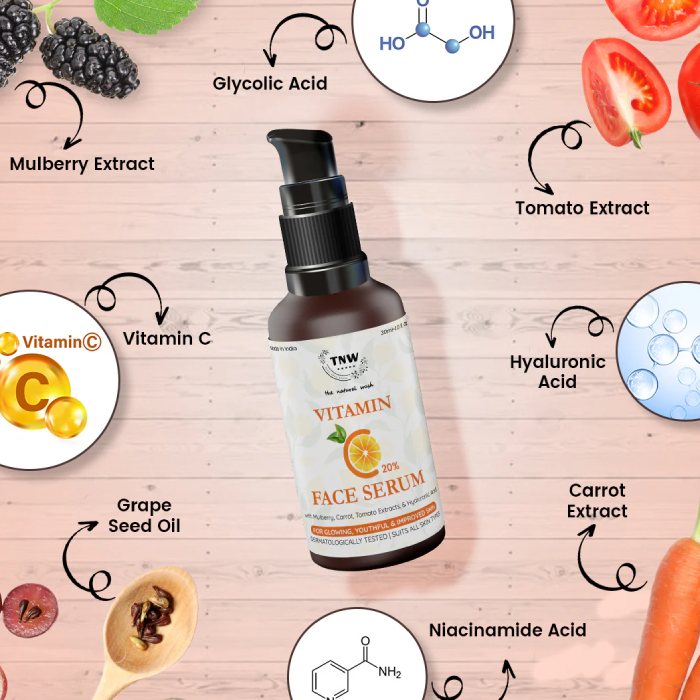 When searching for the best face wash for glowing skin, the ingredient list tells you everything. Here are the ones backed by science:
1. Vitamin C (Ascorbic Acid / Sodium Ascorbyl Phosphate)
The gold standard for brightening. Vitamin C inhibits melanin production, which reduces dark spots and uneven skin tone. Sodium ascorbyl phosphate is a stable Vitamin C derivative ideal for Indian humidity, as it does not oxidise quickly.
2. Niacinamide (Vitamin B3)
Niacinamide reduces hyperpigmentation, minimises pores, and strengthens the skin barrier. A 2023 study found that 5% niacinamide reduced dark spots by up to 43% in 8 weeks. It works beautifully in face washes because even brief contact helps.
3. Kojic Acid
Derived from fungi and fermented foods, kojic acid is a natural melanin inhibitor. It is especially effective for post-acne marks (PIH), which are extremely common in darker Indian skin tones.
4. Glycolic Acid / Lactic Acid (AHAs)
Alpha hydroxy acids gently dissolve the bonds between dead skin cells, revealing fresh skin underneath. Glycolic acid is more potent; lactic acid is gentler and more hydrating — better for dry or sensitive skin types.
5. Green Tea Extract / Turmeric
Both have strong antioxidant properties. Green tea reduces UV-induced damage. Turmeric (curcumin) has anti-inflammatory and melanin-suppressing effects — a skin brightener deeply rooted in traditional Indian skincare, now confirmed by modern research.
6. Hyaluronic Acid
Not just for serums. A face wash with hyaluronic acid leaves skin plump and dewy rather than tight and dry — critical for maintaining the moisture that makes skin look luminous.
Quick Reference: Ingredients vs. Skin Concern
| Ingredient | Benefit for Glow | Best For Skin Type |
| Vitamin C | Brightens, fades dark spots | All skin types |
| Niacinamide | Reduces pigmentation, shrinks pores | Oily, combination, acne-prone |
| Kojic Acid | Fades post-acne marks, evens tone | Dark spots, hyperpigmentation |
| Glycolic Acid | Exfoliates dead cells, boosts radiance | Normal, oily, thick skin |
| Lactic Acid | Gentle exfoliation + hydration | Dry, sensitive skin |
| Green Tea Extract | Antioxidant, anti-pollution shield | All types, esp. urban skin |
| Hyaluronic Acid | Retains moisture, plumps skin | Dry, dehydrated skin |
| Turmeric / Curcumin | Anti-inflammatory, brightening | Dull, uneven tone |
How to Choose the Best Face Wash by Skin Type
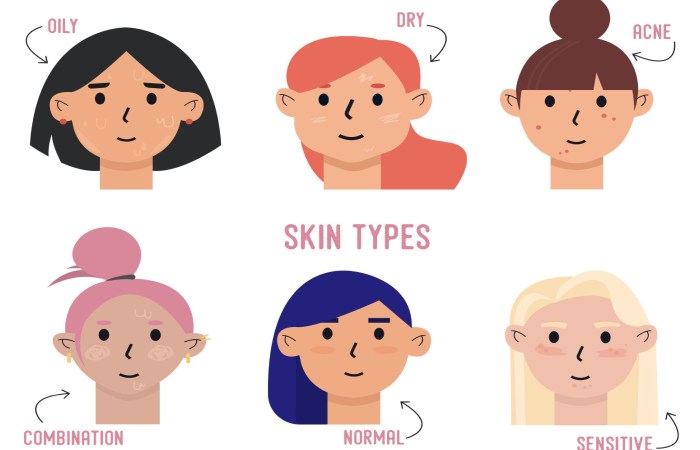
Oily Skin
You need a face wash that deep-cleanses without triggering more oil production. Stripping all oil signals your skin to produce more sebum — the opposite of what you want.
Look for: Salicylic acid (BHA), niacinamide, tea tree, or charcoal.
Avoid: Heavy cream formulas, coconut oil-based cleansers, overly perfumed products.
Dry Skin
Dry skin needs cleansing that does not disrupt the moisture barrier. Foaming face washes often leave dry skin feeling tight and uncomfortable — that tightness is your barrier crying.
Look for: Lactic acid, hyaluronic acid, ceramides, aloe vera.
Avoid: Sulphates (SLS/SLES), alcohol high up in the ingredient list, very high-pH cleansers.
Combination Skin
Combination skin is India’s most common skin type — oily T-zone (forehead, nose, chin) with normal to dry cheeks. Balance is the key word.
Look for: Niacinamide, mild AHAs, green tea extract, aloe.
Avoid: Anything too drying or too heavy.
Sensitive / Reactive Skin
If your skin turns red easily, stings after products, or has conditions like rosacea, go for fragrance-free, low-active formulas.
Look for: Centella asiatica (Cica), chamomile, oat extract, lactic acid.
Avoid: Essential oils, exfoliating acids, fragrances, menthol.
Acne-Prone Skin
Acne comes from clogged pores and bacterial overgrowth, not just oiliness. Glow-inducing face washes can still work — you just need antibacterial and non-comedogenic options.
Look for: Salicylic acid, benzoyl peroxide (low %), tea tree, niacinamide.
Avoid: Comedogenic oils, heavy emollients, physical scrub particles (micro-tears worsen acne).
Who Should Be Careful (Or Avoid Certain Face Washes)
Not everyone benefits from the same glowing-skin formula. Here is who needs to pay extra attention:
- Pregnant or breastfeeding women: Avoid high-strength retinol or salicylic acid face washes — check with your gynecologist first.
- People with active eczema or psoriasis: Exfoliating acids and foaming washes can trigger flares.
- Those with open wounds or active cystic acne: Avoid physical scrubs or high-acid formulas on broken skin.
- Children under 12: Adult face washes are not formulated for young skin — use gentle, fragrance-free baby or teen-specific cleansers.
The India Factor: Why Most Global Advice Does Not Apply to You
Most face wash guides are written for Western skin types and Western climates. Indian skin has unique considerations that are almost never discussed:
Hard Water Wrecks Your Routine
Over 70% of Indian cities have hard water (high mineral content). Hard water leaves a film on skin that makes it look dull and can clog pores. If your face wash leaves a residue even after rinsing well, hard water is likely the culprit. Using a micellar toner after cleansing or investing in a shower filter can make a dramatic difference.
High UV Index + Pollution = More Oxidative Stress
India has one of the highest average UV indexes in the world. Combined with urban air pollution (PM2.5), your skin is under significantly more oxidative stress than someone in Europe. This means antioxidant-rich face washes (Vitamin C, green tea, niacinamide) matter even more for maintaining glow.
Post-Inflammatory Hyperpigmentation (PIH) Is Very Common
Darker skin tones — which include most Indian skin — are significantly more prone to dark spots after acne, sun exposure, or even minor irritation. A face wash with kojic acid, turmeric, or niacinamide specifically targets this, rather than just ‘brightening’ in a generic sense.
Year-Round Humidity and Sweat
Unlike temperate climates, Indian summers mean constant sweat and sebum mixing with pollution. Double cleansing (an oil cleanser first, then a water-based face wash) is particularly effective in Indian conditions during summer months.
Step-by-Step: The Right Way to Use a Face Wash for Maximum Glow
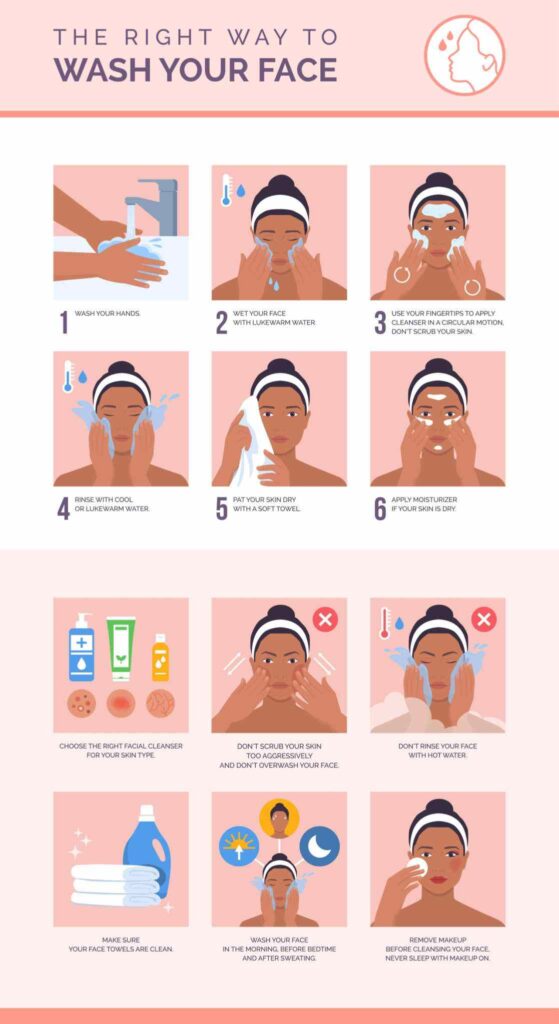
Even the best face wash for glowing skin will underperform if used incorrectly. Here is the optimised routine:
- Wet your face with lukewarm water (not hot — heat strips moisture and causes broken capillaries over time).
- Take a small amount of face wash — roughly the size of a chickpea. More product does not mean more cleansing.
- Lather in your palms first before applying to face.
- Massage gently in upward circular motions for 60 seconds — most people wash for only 15 seconds, which is not enough to let actives work.
- Pay attention to the hairline, jawline, and sides of the nose where buildup is most common.
- Rinse thoroughly with cool water. Cool water helps close pores temporarily and feels refreshing.
- Pat (never rub) dry with a clean towel.
- Apply your toner or serum within 60 seconds while skin is still slightly damp — this maximises absorption.
Frequency: Wash your face twice a day — morning and evening. Over-washing strips the skin barrier and paradoxically makes skin look duller.
Common Mistakes That Are Killing Your Glow
These are the errors I see most often that prevent people from getting glowing skin despite using good products:
- Using a body bar soap on your face: Soap has a pH of 9-10; your skin is naturally pH 4.5-5.5. This massive mismatch disrupts your acid mantle and causes dullness, breakouts, and sensitivity.
- Buying ‘fairness’ face washes: Many Indian fairness products contain mercury, hydroquinone, or bleaching agents at concentrations not approved by dermatologists. They can cause chemical burns and long-term skin thinning.
- Scrubbing your face with a rough cloth or exfoliating net: Micro-tears from aggressive scrubbing increase inflammation, which worsens pigmentation — the opposite of glow.
- Skipping face wash before bed: This is the most damaging mistake. Sleeping with pollution, sunscreen, and makeup on accelerates skin aging by up to 30% according to research from the British Journal of Dermatology.
- Expecting overnight results: Real skin turnover happens in 28-40 days. Give a face wash at least 4-6 weeks before judging results.
- Ignoring expiry dates: Face washes with active ingredients (Vitamin C, AHAs) become ineffective and potentially irritating past expiry.
Myths vs. Facts: The Face Wash Edition
| MYTH | FACT |
| Foaming face wash cleans better | Foam is just aesthetics. Sulphate-free cleansers clean equally well without stripping skin. |
| Natural is always safer | Lemon juice and baking soda (popular DIY tips) can permanently damage your skin barrier. Natural does not equal safe. |
| Expensive = more effective | Ingredient quality, pH balance, and formulation matter far more than price. Many Rs. 200 face washes outperform Rs. 2000 ones. |
| Face wash alone will give glow | Face wash is the foundation, not the full structure. You still need SPF, a good moisturiser, and healthy habits. |
| Scrubbing hard removes dark spots | Dark spots are caused by melanin, not dirt. Scrubbing causes more melanin production through inflammation. |
| Men and women need different face washes | Not necessarily. Skin type matters more than gender. Marketing drives this difference, not science. |
Benefits and Drawbacks at a Glance
Benefits of Using the Right Face Wash
- Removes pollution, dead cells, and excess sebum that cause dullness
- Allows serums and moisturisers to absorb more effectively (improving their ROI)
- Reduces blackheads, whiteheads, and acne when properly formulated
- Even skin tone over time with brightening actives like niacinamide and Vitamin C
- Creates a clear, luminous base that makes you look refreshed even without makeup
Limitations to Keep in Mind
- A face wash is a rinse-off product — active ingredients have limited contact time (30-60 seconds)
- It cannot replace SPF, a targeted serum, or a dermatologist’s treatment for stubborn pigmentation
- Results are gradual — visible glow improvement typically takes 4-8 weeks of consistent use
What to Look for on the Label: A Practical Checklist
When standing in the store or scrolling through an online pharmacy, here is your checklist:
- pH between 4.5 and 6 — rarely stated but sometimes found on brand websites
- Free of SLS (Sodium Lauryl Sulphate) and SLES if you have dry or sensitive skin
- Fragrance-free or ‘perfume-free’ label for reactive skin
- Dermatologically tested / non-comedogenic for acne-prone skin
- Active ingredients (Vitamin C, niacinamide, kojic acid) listed in the first half of the ingredient list — ingredients are listed by concentration
- No parabens or harsh preservatives if you prefer cleaner formulations
- CDSCO-approved or internationally certified (FDA, ISO) for safety assurance
FAQs: Best Face Wash for Glowing Skin
Q1. Can a face wash alone give me glowing skin?
A face wash is the most important first step — it creates the clean base that allows every other product to work. But for lasting glow, you also need a Vitamin C serum, a daily SPF, and adequate hydration. Think of your face wash as the foundation, not the entire building.
Q2. How many times a day should I wash my face?
Twice a day is the dermatologist-recommended standard — once in the morning to remove sweat and overnight oils, and once at night to clear pollution, sunscreen, and sebum buildup. Washing more than twice can strip the skin barrier and cause rebound oiliness or dryness.
Q3. Is a sulphate-free face wash really better?
Yes, for most skin types. Sulphates (SLS/SLES) create strong lather but aggressively strip natural oils, raising skin pH and disrupting the barrier. Sulphate-free cleansers clean effectively while keeping skin hydrated and healthy — especially important for Indian skin that deals with hard water.
Q4. Can I use the same face wash in summer and winter?
Ideally, no. In Indian summers, a gel or foam-based cleanser handles sweat and oil better. In winter or hill-station climates, a cream or milk-based cleanser prevents dryness. If switching feels like too much effort, at least adjust how often you wash and add more moisturiser in cooler months.
Q5. What is the best face wash for dark spots specifically?
Look for face washes with kojic acid, niacinamide, alpha arbutin, or Vitamin C. These ingredients specifically target melanin production and help fade post-acne marks and sun spots over time. Pair with a targeted serum for faster results.
Q6. Should I use a face wash with SPF?
No — and this is important. SPF in a face wash is washed off and does not provide real UV protection. Always apply a dedicated sunscreen after cleansing. A face wash with SPF marketing is essentially pointless from a sun protection standpoint.
Q7. How long does it take for a face wash to show results?
The skin renewal cycle takes 28-40 days. Most dermatologists recommend giving any new face wash 4-6 weeks of consistent twice-daily use before evaluating its effectiveness. Expecting visible glow in 3-4 days is unrealistic and leads to constant product-switching, which actually slows results.
Final Conclusion
Choosing the best face wash for glowing skin is not about price, packaging, or celebrity endorsement. It is about matching the right ingredients to your skin type, understanding India-specific challenges like hard water and high UV, and building a consistent routine that respects your skin barrier.
The glow you want is not hidden inside a Rs. 2000 bottle. It is already in your skin — blocked by dead cells, excess oil, and the wrong products. The right face wash simply gets out of the way and lets it through.
Start with the basics: a pH-balanced, sulphate-free formula with brightening actives suited to your skin type. Give it 6 weeks. Add SPF. Stay consistent. The best face wash for glowing skin is the one that becomes a daily habit — not the one that promises miracles by next Tuesday.
