
Table of Contents
Introduction
Are you looking for cosmetic treatments that deliver visible results? With busy schedules and everyday responsibilities, finding time to care for your skin and appearance can sometimes be challenging. Fortunately, modern aesthetic medicine offers a wide range of treatments designed to address common concerns such as wrinkles, acne scars, uneven skin tone, unwanted hair, and signs of ageing.
From wrinkle-reducing injections to laser hair removal, many cosmetic treatments can help improve your appearance without requiring major surgery.
However, not every treatment works the same way for everyone. Results depend on factors such as skin type, age, the condition being treated, and the experience of the practitioner.
In this article, we explore eight popular cosmetic treatments, their potential benefits, and what you should know before choosing one.
1. Microdermabrasion
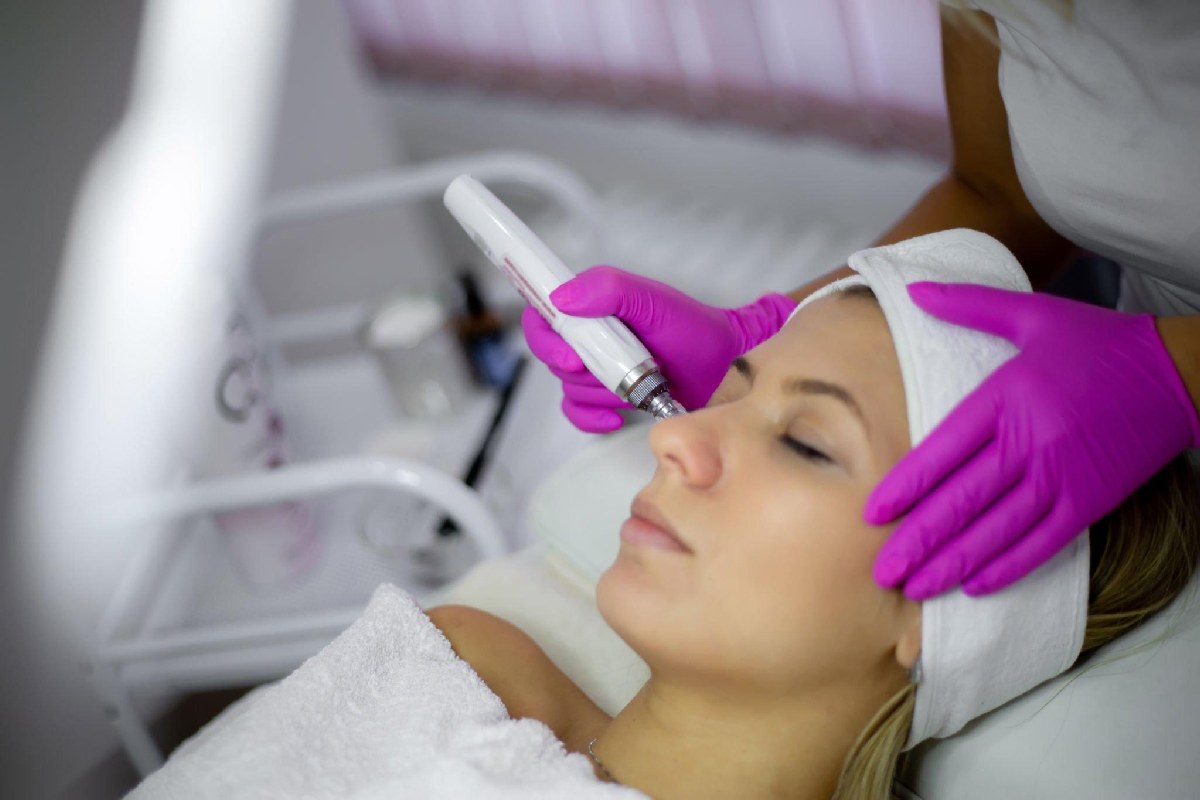
Microdermabrasion is a non-invasive cosmetic procedure that exfoliates the outermost layer of the skin. It uses a specialised device with an abrasive tip or fine crystals to remove dead skin cells and encourage smoother-looking skin.
This treatment is commonly used to improve mild skin concerns, including:
- Uneven skin texture.
- Dull-looking skin.
- Mild sun damage.
- Superficial pigmentation.
- Certain types of mild acne scarring.
- Congested pores and rough skin.
Microdermabrasion can make the skin appear brighter and smoother by removing accumulated dead skin cells. However, it generally produces more subtle results than deeper treatments such as laser resurfacing or medium-depth chemical peels.
The procedure usually requires little downtime, although temporary redness, dryness, or sensitivity may occur.
People with active skin infections, certain inflammatory skin conditions, or particularly sensitive skin should consult a dermatologist before treatment.
2. Laser Skin Resurfacing
Laser skin resurfacing is an advanced aesthetic treatment designed to improve skin texture, tone, and the appearance of selected signs of ageing.
The procedure uses concentrated light energy to remove damaged skin layers or stimulate collagen production, depending on the type of laser used.
There are two main categories:
Ablative laser resurfacing: Removes controlled layers of damaged skin and is generally used for more significant wrinkles, scars, and sun damage. Recovery can take longer.
Non-ablative laser resurfacing: Delivers energy beneath the skin’s surface to stimulate collagen production without removing the outer skin layer. It generally involves less downtime, although multiple sessions may be needed.
Potential benefits include:
- Reducing the appearance of fine lines and wrinkles.
- Improving acne scars.
- Addressing certain pigmentation concerns.
- Improving uneven skin texture.
- Supporting collagen remodelling.
Results vary depending on the laser technology, treatment depth, and individual skin characteristics.
Laser resurfacing can cause redness, swelling, pigmentation changes, and, in some cases, scarring or infection. A qualified dermatologist should assess your skin before recommending treatment, particularly if you have darker skin or a history of pigmentation problems.
3. Dermal Fillers
Dermal fillers are injectable cosmetic treatments designed to restore volume, improve facial contours, and soften certain wrinkles and folds.
Most modern facial fillers contain hyaluronic acid, a substance naturally found in the body that helps maintain hydration and volume.
Dermal fillers may be used in areas such as:
- Lips.
- Cheeks.
- Chin.
- Jawline.
- Nasolabial folds.
- Certain areas around the mouth.
One of the main advantages of hyaluronic acid fillers is that they can produce immediate visible volume changes. Their results are temporary and depend on the product, injection area, and individual metabolism.
Some hyaluronic acid fillers can also be dissolved using an enzyme called hyaluronidase when medically appropriate.
However, dermal fillers are not risk-free. Possible complications include swelling, bruising, infection, lumps, and accidental injection into a blood vessel. Vascular complications can cause serious tissue damage and, rarely, vision loss.
Always choose an appropriately qualified medical professional with specific experience in facial injections.
4. Botox
Botox is one of the most recognised cosmetic injectable treatments. It contains botulinum toxin type A, which temporarily blocks nerve signals to targeted muscles.
In aesthetic medicine, Botox is commonly used to reduce the appearance of dynamic wrinkles caused by repeated facial movements.
Common treatment areas include:
- Forehead lines.
- Crow’s feet around the eyes.
- Frown lines between the eyebrows.
- Selected neck wrinkles.
Botox works by temporarily reducing muscle activity in the treated areas. It does not add volume to the skin like dermal fillers.
Results generally begin to appear within several days, with the full effect developing over approximately one to two weeks. Cosmetic results commonly last around three to four months, although individual experiences vary.
Botox also has several established medical applications, including the treatment of certain muscle disorders and excessive sweating.
If you want to understand its wider uses, read our guide to Botox from Allergan.
Treatment should always be performed by a qualified healthcare professional using an authentic, authorised product.
5. Cosmetic Dentistry
Cosmetic dentistry focuses on improving the appearance of teeth and smiles. Depending on the treatment, it can also improve dental function and oral health.
Popular cosmetic dentistry procedures include:
Teeth Whitening: A professional treatment that helps remove certain stains and improve the brightness of natural teeth.
Dental Veneers: Thin coverings placed over the front surfaces of teeth to improve their colour, shape, or appearance.
Dental Crowns: Restorations that cover damaged or weakened teeth while improving their appearance and function.
Dental Bridges: Fixed dental restorations used to replace one or more missing teeth.
Invisalign: A system of clear removable aligners designed to gradually move teeth into improved positions.
Invisalign and other orthodontic treatments can help address concerns such as crowding, gaps, and certain bite problems.
At-home aligners are also available, but they are not suitable for everyone. Moving teeth without appropriate dental assessment and monitoring can lead to complications. Always consult a qualified dentist or orthodontist before starting treatment.
Insurance coverage varies depending on the provider, policy, and whether the treatment is considered medically necessary or cosmetic.
6. Chemical Peels
Chemical peels are cosmetic skin treatments that use specialised chemical solutions to exfoliate damaged outer skin layers.
Depending on the strength and formulation, chemical peels can help improve:
- Uneven skin tone.
- Mild pigmentation.
- Certain acne concerns.
- Fine lines.
- Rough skin texture.
- Dull-looking skin.
Chemical peels are generally classified into three categories.
Superficial Peels: These target the outermost skin layer and are commonly used for mild pigmentation, dullness, and uneven texture. Recovery is usually relatively short.
Medium-Depth Peels: These penetrate deeper and may help address more noticeable pigmentation, wrinkles, and certain acne scars. They generally require more recovery time.
Deep Peels: These penetrate deeper skin layers and are used for selected significant skin concerns. They carry greater risks and require careful medical assessment.
After treatment, temporary redness, dryness, peeling, and sensitivity are common. More intensive peels may involve longer recovery periods.
Sun protection is particularly important following a chemical peel because the skin may become more sensitive to ultraviolet exposure.
A dermatologist or appropriately qualified professional can recommend a peel based on your skin type and concerns.
7. Facials
Facials are popular cosmetic skincare treatments designed to cleanse, exfoliate, hydrate, and improve the appearance of the skin.
Depending on the treatment, a facial may include cleansing, steam, exfoliation, extractions, masks, moisturising products, and specialised skincare ingredients.
Potential benefits include:
- Removing surface impurities.
- Improving temporary skin hydration.
- Making the skin feel smoother.
- Supporting a consistent skincare routine.
- Addressing selected concerns such as dryness or congestion.
Different facials are designed for different skin types. For example, dry skin may benefit from hydrating treatments, while oily or congested skin may require a different approach.
One popular option is HydraFacial, which combines cleansing, exfoliation, extraction, and hydration in a multi-step treatment.
You can learn more about its process and potential benefits in our guide to HydraFacial treatments.
If you are unsure which treatment suits your needs, read our guide on choosing the right facial for your skin.
Although facials can improve the appearance and feel of the skin, they do not replace medical treatment for persistent acne, rosacea, or other skin conditions.
8. Laser Hair Removal
Laser hair removal is a cosmetic procedure designed to provide long-term reduction in unwanted hair.
It works by directing concentrated light energy towards the pigment in hair follicles. The energy is absorbed and converted into heat, damaging the follicles and reducing their ability to produce hair.
Common treatment areas include:
- Face and upper lip.
- Underarms.
- Arms and legs.
- Chest and back.
- Bikini area.
Laser hair removal can also help reduce problems associated with traditional hair removal methods, including razor bumps and ingrown hairs.
How Many Sessions Are Required?
Hair grows in different stages, and laser treatment is most effective when hair follicles are in their active growth phase.
For this reason, multiple sessions are generally required. The number of treatments depends on the body area, hair characteristics, skin type, and laser technology.
Some people experience significant long-term hair reduction, although maintenance sessions may be needed.
Is Laser Hair Removal Safe?
Laser hair removal is generally considered safe when performed by a trained professional using suitable equipment and settings.
Possible side effects include temporary redness, swelling, skin irritation, and pigmentation changes. Burns and scarring are less common but possible, particularly when unsuitable settings are used.
People with darker skin tones should seek a practitioner experienced in treating their skin type, as selecting the appropriate laser technology and settings is important.
How to Choose the Right Cosmetic Treatment
With so many cosmetic procedures available, selecting the right treatment can feel overwhelming. The best option depends on your individual concerns, expectations, skin characteristics, and overall health.
Consider these factors before booking a treatment:
- Identify your main concern: Decide whether you want to address wrinkles, pigmentation, acne scars, unwanted hair, or loss of facial volume.
- Understand the procedure: Research how the treatment works and what results are realistically achievable.
- Check practitioner qualifications: Choose a qualified professional with experience in the specific procedure.
- Discuss potential risks: Ask about side effects, complications, and recovery requirements.
- Consider the total cost: Include consultation fees, follow-up appointments, and any maintenance sessions.
- Follow aftercare instructions: Proper aftercare can support healing and help reduce complications.
Avoid choosing a treatment solely because it is popular or promoted on social media.
Take Your Look to the Next Level!
Cosmetic treatments have developed significantly, offering a variety of ways to improve skin appearance, facial features, dental aesthetics, and unwanted hair.
From microdermabrasion and laser resurfacing to dermal fillers, Botox, chemical peels, facials, and laser hair removal, each procedure serves a different purpose.
However, no single treatment is suitable for everyone, and results cannot be guaranteed. Understanding your concerns, researching the available options, and consulting a qualified professional are important steps towards making the right decision.
Rather than following every beauty trend, focus on treatments that suit your individual needs and prioritise your health and safety. With the right professional guidance and realistic expectations, you can make informed choices about your appearance and skincare routine.