
Table of Contents
Introduction
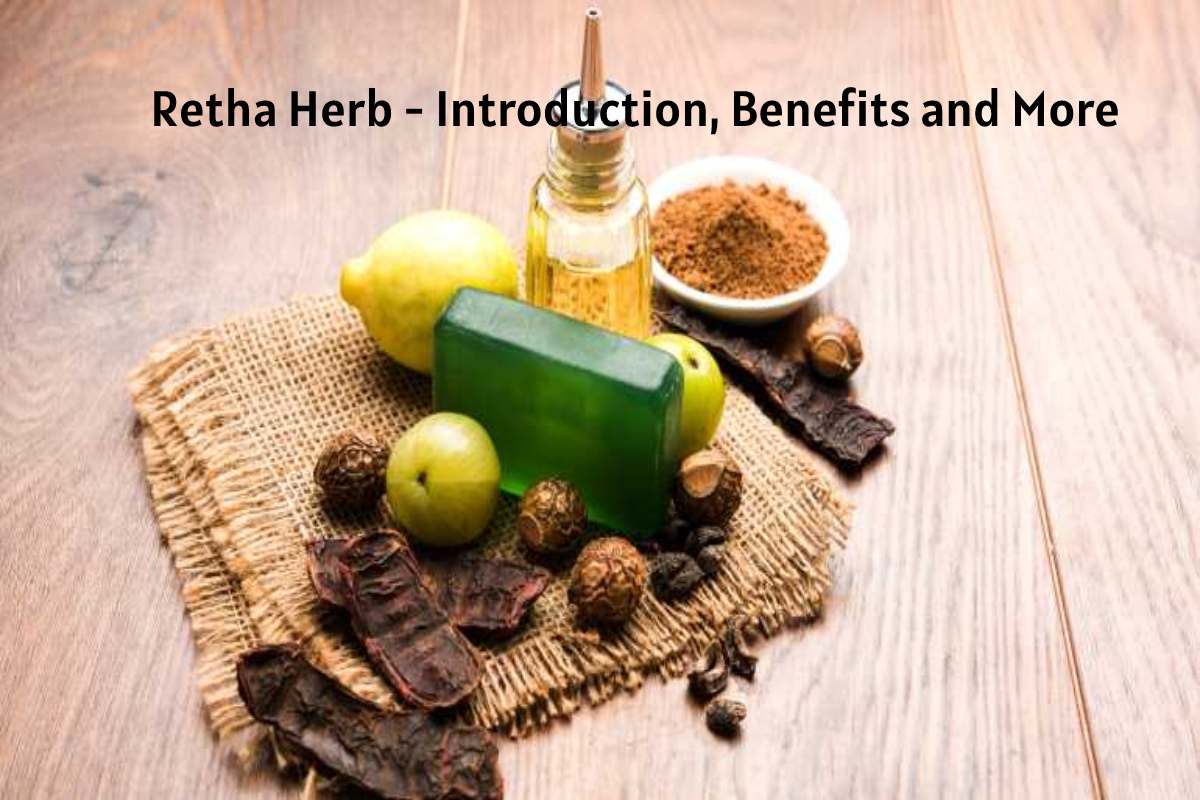
Reetha, commonly known as soapnut or soapberry, is a natural ingredient traditionally used in hair care, skincare, and household cleansing. It comes from trees belonging to the Sapindus genus, which grow in tropical and subtropical regions, including parts of India and China.
The fruit of the reetha tree contains natural cleansing compounds called saponins. When mixed with water, these compounds produce a soapy lather that can help remove dirt, oil, and impurities.
For generations, reetha has been used in traditional Indian hair care preparations. It is also found in certain natural shampoos, cleansing products, and herbal formulations.
One reason for its popularity is that it provides a plant-based alternative to conventional cleansing ingredients. However, natural does not automatically mean suitable for everyone, and its effects depend on the product formulation and individual skin and hair type.
Let’s explore the potential benefits of reetha, how to use it, and the precautions to consider.
Benefits of Reetha Herb
Here are some of the commonly discussed cosmetic and traditional uses of reetha.
1. Natural Cleansing Properties
One of the most recognised uses of reetha is its ability to cleanse.
The fruit contains saponins, naturally occurring compounds that help loosen and remove dirt and oils. When prepared with water, reetha can produce a foamy solution that works as a traditional cleansing agent.
It may be used in:
- Homemade herbal shampoos.
- Traditional hair-washing preparations.
- Natural cleansing formulations.
- Certain household cleaning products.
Its cleansing properties make it a popular ingredient among people interested in traditional and plant-based alternatives.
2. May Support Skin Cleansing
Reetha has traditionally been used in some natural skincare preparations because of its cleansing properties.
A properly formulated product containing reetha may help remove surface dirt and excess oil from the skin.
However, its use requires care. Concentrated soapnut extracts can irritate sensitive skin, and there is insufficient clinical evidence to establish that reetha treats eczema, psoriasis, acne, or other skin diseases.
If you want to try a reetha-based skincare product, choose one formulated for skin use and perform a small patch test first.
3. Traditional Hair and Scalp Care
Hair care is one of the most popular uses of reetha.
Its natural saponins help remove excess oil, dirt, and product buildup from the hair and scalp. This makes it a traditional ingredient in herbal shampoos and cleansing preparations.
Potential cosmetic benefits include:
- Cleansing the scalp: Helps remove accumulated dirt and excess oil.
- Removing product buildup: Can help clean away residue from certain styling products.
- Improving hair appearance: Cleansing may leave hair feeling fresher and cleaner.
- Supporting a traditional hair care routine: Can be combined with other herbal ingredients such as amla and shikakai.
Reetha is not scientifically proven to stop hair loss, stimulate new hair growth, eliminate dandruff, or prevent premature greying. These conditions may have several underlying causes and sometimes require professional treatment.
4. Traditional Use in Natural Cleansing Products
Reetha is also valued for its use in plant-based cleansing preparations.
The saponins found in its fruit have detergent-like properties, making it useful in certain natural cleaning formulations.
It is traditionally used in preparations for washing fabrics and other household items. Its popularity comes from its ability to produce a cleansing solution without relying on conventional synthetic detergents.
However, homemade preparations should be used carefully, particularly around children and pets.
Other Traditional Uses of Reetha
Reetha has a history of use in traditional herbal practices. Some sources associate it with digestive, respiratory, and other health-related applications.
However, there is insufficient reliable human clinical evidence to establish that reetha can:
- Treat asthma or other respiratory diseases.
- Remove snake or scorpion venom.
- Treat epilepsy, migraines, or other neurological conditions.
- Control blood sugar or cholesterol.
- Cure cancer or prevent tumour growth.
- Treat intestinal worms or serious digestive disorders.
Reetha should never be used as a substitute for medical treatment. Snakebites, scorpion stings, breathing difficulties, and other serious medical conditions require immediate professional care.
How to Use Reetha for Hair Care
Reetha can be included in a traditional hair-cleansing routine in different ways. One common method is preparing a homemade herbal shampoo.
1. Homemade Reetha Shampoo
Ingredients:
- 10–15 dried reetha fruits.
- Approximately 4–6 cups of water.
- A saucepan.
- A strainer.
Preparation:
- Remove the seeds from the dried reetha fruits.
- Break the fruit shells into smaller pieces.
- Place them in a saucepan with the water.
- Allow the pieces to soak for several hours or overnight.
- Bring the mixture to a gentle boil.
- Simmer for approximately 10–15 minutes.
- Allow it to cool completely.
- Strain the liquid to remove the remaining fruit pieces.
- Store the preparation in a clean container in the refrigerator and use it promptly.
How to use it:
- Wet your hair thoroughly.
- Apply a small quantity of the strained liquid to your scalp and hair.
- Massage gently with your fingertips.
- Rinse thoroughly with clean water.
- Follow with a suitable conditioner if your hair feels dry.
The strength of homemade reetha shampoo can vary depending on the fruit and preparation method. Start with a diluted preparation and discontinue use if irritation occurs.
Avoid contact with the eyes.
2. Reetha, Amla, and Shikakai Hair Wash
Reetha is traditionally combined with amla and shikakai in herbal hair-washing preparations.
Each ingredient has a different traditional role:
- Reetha: Provides natural cleansing properties through saponins.
- Amla: Commonly included in traditional hair care formulations.
- Shikakai: Traditionally used as a plant-based hair cleanser.
These ingredients can be prepared together as a herbal hair wash. However, claims that this combination reverses greying, prevents hair loss, or guarantees faster growth are not supported by strong clinical evidence.
Learn more about shikakai and its traditional hair care uses.
3. Reetha for Oily Hair
People with oily hair may explore diluted reetha preparations as an alternative cleansing option.
Because reetha contains natural cleansing compounds, it may help remove excess oil and surface buildup.
However, frequent use or highly concentrated preparations may leave some hair types feeling dry or rough.
Adjust the concentration and frequency according to your hair’s response, and use conditioner on the lengths and ends when needed.
Possible Side Effects of Reetha
Although reetha is a natural ingredient, it is not completely free from potential side effects.
1. Eye Irritation
Reetha extracts contain cleansing saponins that can irritate the eyes.
Direct contact may cause:
- Redness.
- Burning sensations.
- Irritation.
- Watery eyes.
Avoid getting reetha preparations into your eyes. If contact occurs, rinse thoroughly with clean running water.
2. Skin Irritation
Some people may experience skin irritation after using reetha-based preparations.
Possible reactions include:
- Itching.
- Redness.
- Rashes.
- Dryness.
- Irritation.
Perform a small patch test before applying a new preparation more widely. Stop using it if you develop an adverse reaction.
3. Scalp Dryness
Because reetha has cleansing properties, concentrated or frequent use may remove too much natural oil from some hair types.
This can leave the hair feeling dry, rough, or difficult to manage.
Use a diluted preparation and adjust how frequently you wash your hair according to your scalp and hair type.
4. Avoid Swallowing Reetha Preparations
Reetha products intended for external cleansing should not be consumed. Saponin-rich extracts may cause harmful effects if swallowed.
Keep homemade preparations away from children and pets, and follow the safety instructions provided with commercial products.
Tips for Getting the Best Results from Reetha
If you are considering adding reetha to your hair care routine, keep these tips in mind:
- Choose good-quality dried reetha fruits or a reputable commercial product.
- Use a diluted preparation when trying it for the first time.
- Avoid direct contact with your eyes.
- Do not use it on irritated or broken skin.
- Follow cleansing with a suitable conditioner if necessary.
- Avoid excessive washing.
- Discontinue use if you experience irritation.
Remember that different hair types respond differently to natural cleansing ingredients. What works for one person may not work for another.
For more advice on keeping your hair healthy throughout seasonal changes, read this guide to post-winter hair care.
Related Reading: Other Beauty and Personal Care Treatments
Reetha is mainly associated with traditional hair and cleansing preparations. If you are interested in other beauty treatments, you can also explore IPL hair removal, which uses intense pulsed light technology to reduce unwanted hair growth over a series of sessions.
Conclusion
Reetha, also known as soapnut, is a traditional plant-based cleansing ingredient that has been used for generations in hair care and household cleaning.
Its natural saponins help remove dirt and excess oil, making it a popular ingredient in herbal shampoos and cleansing preparations. It is also traditionally combined with other ingredients, such as amla and shikakai, in natural hair-washing routines.
However, its cosmetic benefits should not be confused with proven medical treatments. Reetha is not an established remedy for asthma, skin diseases, hair loss, cancer, or other serious health conditions.
If you decide to use reetha, choose suitable products, follow safe preparation methods, and pay attention to how your skin and hair respond. With sensible use, it can be an interesting addition to a traditional plant-based hair care routine.