
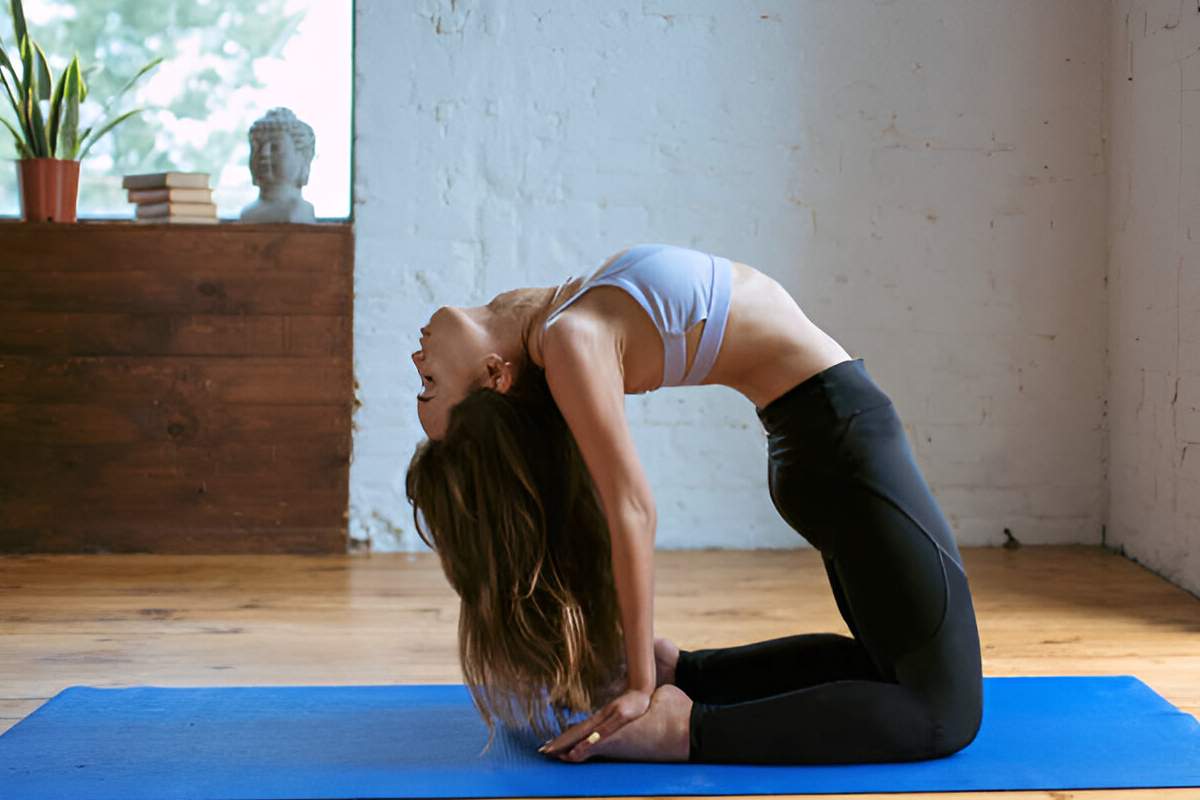
The benefits of yoga are numerous, making it a popular form of exercise and relaxation for women of different ages. From improving flexibility and strengthening muscles to supporting mental well-being, regular yoga practice can become an important part of a healthy lifestyle.
Yoga is more than physical exercise. It combines body movements, breathing techniques, mindfulness, and meditation to support a connection between physical and mental well-being.
Many women begin practising yoga to improve their fitness, maintain a healthy weight, and develop flexibility. Others enjoy its relaxing effects and use it as a way to manage everyday stress.
Yoga can also be adapted to different fitness levels, making it accessible to beginners as well as experienced practitioners.
Let’s explore some of the main benefits of yoga for women’s health, along with useful exercises and tips for practising safely.
Table of Contents
1. Supports General Health and Immunity
Regular physical activity, adequate sleep, and balanced nutrition all contribute to a healthy immune system. Yoga can support general health by encouraging movement, relaxation, and healthier lifestyle habits.
Breathing exercises, also known as pranayama, are an important part of many yoga practices.
During these exercises, practitioners focus on slow, controlled breathing and maintaining awareness of their bodies.
Potential benefits include:
- Encouraging relaxation.
- Improving breathing awareness.
- Supporting stress management.
- Promoting gentle physical activity.
- Helping develop a consistent wellness routine.
Some yoga poses that can be included in a general fitness routine are:
- Uttanasana (Standing Forward Bend): A forward-folding pose that stretches the back of the legs.
- Setu Bandhasana (Bridge Pose): Strengthens the glutes and supports spinal mobility.
- Matsyasana (Fish Pose): Gently stretches the chest and front of the body.
Yoga should be considered a complement to healthy lifestyle habits, not a replacement for medical care or vaccination.
2. Supports Hormonal Health
Hormonal changes are a natural part of a woman’s life. They occur during puberty, menstruation, pregnancy, and menopause.
These changes can influence mood, energy levels, sleep, and other aspects of physical health.
Yoga may support well-being during different life stages by encouraging relaxation, gentle movement, and stress management.
Some women find yoga helpful when dealing with everyday discomfort associated with their menstrual cycle. However, there is not enough evidence to suggest that particular yoga poses directly regulate hormone production or treat hormonal disorders.
Some gentle poses to explore include:
- Baddha Konasana (Butterfly Pose): Encourages hip mobility and stretches the inner thighs.
- Balasana (Child’s Pose): Provides a gentle resting position.
- Marjaryasana-Bitilasana (Cat-Cow Pose): Encourages gentle spinal movement.
- Supta Baddha Konasana (Reclining Bound Angle Pose): Promotes relaxation and gentle hip opening.
If you experience irregular periods, severe menstrual pain, fertility concerns, or symptoms associated with hormonal conditions, consult a qualified healthcare professional.
3. Improves Posture
Poor posture is common among people who spend long hours sitting at desks, working on computers, or using mobile devices.
Over time, these habits can contribute to neck discomfort, back pain, and muscular tension.
Yoga incorporates movements that strengthen and stretch different muscle groups, helping improve body awareness and postural control.
Some useful poses include:
Mountain Pose (Tadasana)
Stand upright with your feet grounded, shoulders relaxed, and spine naturally aligned. Focus on distributing your body weight evenly.
Cobra Pose (Bhujangasana)
Lie on your stomach and gently lift your chest using your back muscles and hands for support. Avoid forcing the movement.
Bridge Pose (Setu Bandhasana)
Lie on your back with your knees bent and feet flat on the floor. Lift your hips gently while keeping your shoulders grounded.
Practising these movements regularly can support better movement patterns and posture. If you have persistent back or neck pain, seek professional advice before starting a new exercise routine.
4. Supports Pelvic Floor Strength and Sexual Well-Being
Yoga can help women develop greater body awareness, flexibility, and relaxation. Certain movements also engage the muscles around the hips and pelvis.
A healthy pelvic floor plays an important role in bladder control, pelvic support, and sexual function.
Some yoga poses that involve the pelvic and hip areas include:
- Baddha Konasana (Butterfly Pose): Encourages hip mobility.
- Setu Bandhasana (Bridge Pose): Engages the glutes and supporting muscles.
- Marjaryasana (Cat Pose): Encourages controlled movement of the spine and pelvis.
- Malasana (Garland Pose): A deep squat that stretches the hips and ankles, when comfortable.
Yoga may also support relaxation and stress management, which can contribute to overall sexual well-being.
However, yoga is not a guaranteed treatment for low libido, sexual dysfunction, or pelvic floor disorders. Women experiencing these concerns may benefit from speaking with a healthcare professional or pelvic floor physiotherapist.
5. Promotes Relaxation and Healthy Ageing
One of the appealing aspects of yoga is its focus on relaxation, breathing, and mindfulness.
As people get older, maintaining strength, mobility, balance, and flexibility becomes increasingly important.
Gentle yoga can help women remain physically active and develop better awareness of their movements.
Potential benefits include:
- Supporting joint mobility.
- Maintaining flexibility.
- Improving balance.
- Encouraging relaxation.
- Supporting general physical fitness.
Yoga and meditation may also help reduce everyday stress, which can contribute to better overall well-being.
However, yoga cannot stop the natural ageing process or guarantee the prevention of wrinkles, grey hair, or age-related conditions.
6. Develops Body Flexibility
Flexibility is one of the most widely recognised benefits of yoga.
Many yoga poses involve stretching the muscles and moving the joints through comfortable ranges of motion. Regular practice can gradually improve flexibility and mobility.
Some useful poses include:
- Downward-Facing Dog (Adho Mukha Svanasana): Stretches the shoulders, calves, and back of the legs.
- Triangle Pose (Trikonasana): Encourages flexibility in the hips and sides of the body.
- Seated Forward Bend (Paschimottanasana): Stretches the back of the legs and spine.
- Butterfly Pose (Baddha Konasana): Encourages hip mobility.
You do not need to be flexible before starting yoga. Begin with simple movements and gradually improve your range of motion.
Avoid forcing stretches or comparing your flexibility with other practitioners.
7. May Help Reduce Stress and Headache Frequency
Modern lifestyles can expose women to several sources of stress, including work responsibilities, family commitments, and everyday challenges.
Yoga combines gentle movement, controlled breathing, and meditation, which may help reduce stress and promote relaxation.
Some research suggests that yoga may also help certain people manage headache frequency and severity when used alongside appropriate medical care.
Relaxing poses include:
- Child’s Pose (Balasana): Encourages rest and relaxation.
- Legs-Up-the-Wall Pose (Viparita Karani): Provides a gentle resting position.
- Easy Pose (Sukhasana): A comfortable seated position for breathing exercises.
- Corpse Pose (Savasana): Encourages full-body relaxation.
If you experience frequent or severe headaches or migraines, consult a healthcare professional. Yoga should not replace prescribed treatment.
8. Supports Weight Management
Yoga can be a useful addition to a weight-management routine, particularly when combined with balanced nutrition and other forms of physical activity.
Different styles of yoga involve different levels of physical intensity.
For example:
- Hatha Yoga: Generally focuses on basic postures, breathing, and controlled movement.
- Vinyasa Yoga: Connects movements with breathing and can provide a more active workout.
- Power Yoga: Often involves more challenging sequences that require strength and endurance.
- Restorative Yoga: Focuses on relaxation and supported poses.
More active yoga styles can contribute to energy expenditure, while gentler styles support flexibility and relaxation.
However, the number of calories burned varies depending on the type of yoga, session duration, body size, and exercise intensity.
For sustainable weight management, combine yoga with strength training, walking, cycling, or other cardiovascular activities and a balanced eating plan.
9. Helps Manage Everyday Stress
Stress can affect sleep, concentration, mood, and everyday energy levels.
Yoga encourages practitioners to focus on breathing, movement, and the present moment. These practices may help develop healthier ways of responding to everyday stress.
Some techniques to explore include:
Deep Breathing
Sit comfortably and breathe slowly through your nose. Allow your abdomen to expand gently as you inhale and relax as you exhale.
Mindfulness Meditation
Sit in a comfortable position and focus your attention on your breathing. When your thoughts wander, gently bring your attention back.
Savasana
Lie comfortably on your back with your arms relaxed. Allow your body to rest while maintaining gentle awareness of your breathing.
Regular practice may help improve relaxation and emotional well-being.
Yoga is not a substitute for professional treatment for depression, anxiety disorders, or other mental health conditions.
10. Supports Physical Preparation During Pregnancy
Pregnancy brings significant physical and hormonal changes. Some women choose prenatal yoga as a way to remain active, practise relaxation, and develop awareness of their breathing.
With appropriate modifications and healthcare guidance, prenatal yoga may offer benefits such as:
- Gentle stretching and mobility.
- Relaxation and stress management.
- Improved awareness of breathing.
- Gentle strengthening of supporting muscles.
- Opportunities for social connection through prenatal classes.
However, not every yoga pose is suitable during pregnancy. Certain twisting movements, deep backbends, heated yoga sessions, and poses involving a risk of falling may need to be avoided.
Women should consult their healthcare professional before beginning or continuing yoga during pregnancy, particularly if they have pregnancy-related complications.
Yoga does not guarantee an easier delivery or prevent pregnancy complications.
How to Start Practising Yoga
If you’re new to yoga, starting with simple movements and beginner-friendly classes can make the experience more enjoyable.
Here are a few practical tips:
- Choose a suitable style: Beginners may prefer gentle Hatha or beginner-level yoga classes.
- Start with short sessions: Begin with 15–20 minutes and gradually increase the duration.
- Use comfortable clothing: Choose clothing that allows you to move freely.
- Focus on breathing: Avoid holding your breath during challenging movements.
- Use yoga accessories: A yoga mat, blocks, and cushions can make certain poses more comfortable.
- Avoid forcing movements: Work within your comfortable range of motion.
- Practise consistently: A manageable routine several times a week can help develop a lasting habit.
If you’re also interested in combining yoga with other fitness activities, explore these four tips for getting started in the gym. Strength training and yoga can complement each other in a balanced fitness programme.
Yoga, Energy, and Everyday Well-Being
Yoga may help some people feel more relaxed and physically comfortable, particularly when it becomes part of a consistent lifestyle routine.
However, low energy and persistent tiredness can have several causes, including inadequate sleep, nutritional deficiencies, stress, and underlying medical conditions.
Alongside yoga, consider maintaining a regular sleep schedule, eating balanced meals, staying hydrated, and including suitable physical activity in your day.
For additional ideas, read How to Get More Energy and Feel Less Tired.
Is Yoga Suitable for Every Woman?
Yoga can be adapted to many fitness levels and age groups, but not every pose or style is suitable for everyone.
Women who are new to exercise, pregnant, recovering from an injury, or living with an existing medical condition should choose appropriate classes and modifications.
Consider these precautions:
- Avoid movements that cause sharp pain.
- Use support when practising balance poses.
- Inform your instructor about relevant injuries or physical limitations.
- Avoid comparing your progress with others.
- Stop if you experience dizziness, chest discomfort, or unusual breathlessness.
- Seek professional medical guidance when necessary.
A qualified yoga instructor can help you learn proper alignment and select movements that match your abilities.
Final Thoughts
Yoga offers women several potential benefits, from improved flexibility and posture to better relaxation, balance, and general physical fitness.
It is more than a collection of exercises. Its combination of movement, breathing, and mindfulness can help women develop a healthier relationship with their bodies and everyday routines.
Whether you practise yoga to become more flexible, support your fitness goals, manage stress, or simply enjoy some quiet time, the most important thing is to find a routine that works for you.
Start with beginner-friendly poses, listen to your body, and remain consistent. With patience and appropriate practice, yoga can become a valuable part of a healthy and balanced lifestyle.